

Highlights vs Balayage Which Is Better? Tacoma Guide
Updated: Sep 14
Highlights and balayage can both add brightness and dimension, but they create that lightness in different ways. If you are asking highlights vs balayage which is better, the answer depends on your desired brightness, root contrast, grow-out, hair history, and maintenance routine.
Our Tacoma hair color guide offers additional context on balayage, ombre, and other color techniques.
Book a color consultation online at Dolce Salon in Tacoma to discuss the healthiest plan for your hair.
Highlights vs Balayage Which Is Better? Start With the Quick Answer
Quick answer: At Dolce Salon, foil highlights are usually the better fit for controlled, brighter, more consistent lightness. Balayage is often the better fit for softer, hand-painted dimension and a more blended grow-out. Neither technique is best for every client, so a Tacoma consultation should guide the final choice.
We begin with an honest conversation about your goals and your hair's potential. A reference photo can show the finish you like, but it cannot show every step required to achieve it. The sections below explain the practical differences so you can arrive at your appointment with better questions.
What Are Traditional Highlights?
Answer: At Dolce Salon, traditional highlights use foils to isolate selected strands, giving a stylist precise control over placement and processing. They are often a strong option when you want brighter, more defined pieces close to the scalp. The final plan depends on your natural color, hair history, density, and desired level of contrast.
In a Tacoma color consultation, your stylist can place lightened sections close to the scalp through the part and crown. Around the face, or through the lengths and ends. That precision can make foil work a useful option when you want a brighter, more deliberate pattern.
Because each section is isolated, foil work can create a clearly defined pattern of brightness. A full highlight can distribute lightness throughout the head, while a partial highlight can focus on the part, hairline, crown, and upper layers. Future appointments can follow the existing placement or adjust it as your haircut and preferences change.
When do foil highlights make sense?
Foils may suit you when you want noticeable brightness, a structured blonde pattern, or more control over where lighter pieces appear. They can also be useful when the goal involves deliberate brightness around the face or a controlled approach to blending gray. The right placement still depends on density, texture, natural color, and previous services.
- Root-to-length brightness:
Foils can place lighter pieces from the root through the lengths.
- Visible contrast:
They can create a clearer difference between lightened and natural hair.
- Face-framing control:
A stylist can place brightness precisely around the hairline.
- Repeatable placement:
Future appointments can follow an established sectioning plan.
Foils do not guarantee one exact shade. Natural color, old color, porosity, density, and the amount of lift your hair can safely support all affect the result. A professional colorist should assess those factors before choosing the number of foils or the processing plan.
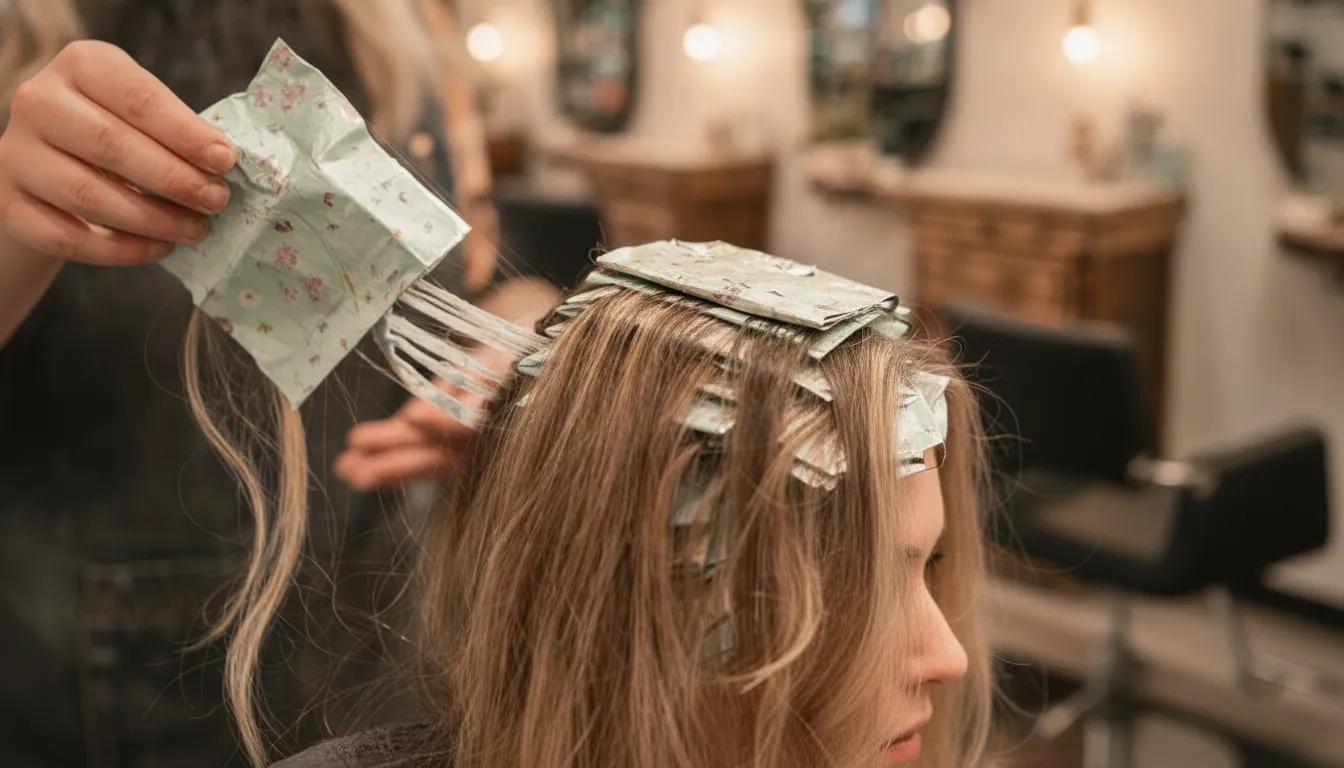
Foil sectioning gives a colorist precise control over where brightness is placed.
What Is Balayage?
Answer: At Dolce Salon, balayage is a freehand color technique in which a stylist paints lightener onto selected areas rather than isolating every section in a foil. This customized placement can create softer dimension, with the final result shaped by your haircut, starting color, hair history, and desired contrast.
Balayage is a freehand color technique in which a stylist paints lightener onto selected areas instead of isolating every section in a foil. Placement can be customized to the haircut, natural base, face shape, and desired level of contrast.
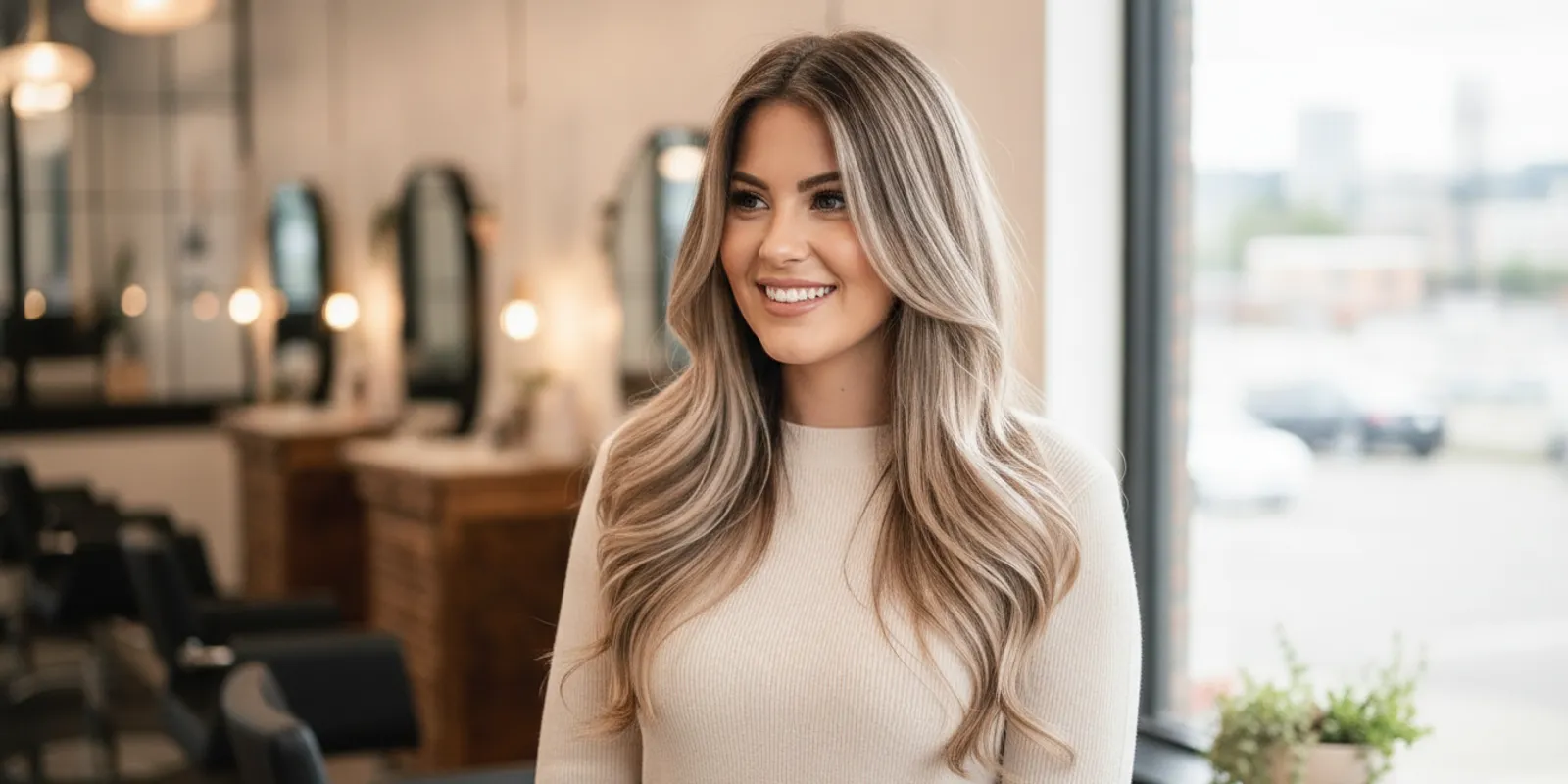
Balayage often concentrates brightness through the mid-lengths and ends. The result may look dimensional and sun-kissed rather than evenly lightened from the scalp. It can be subtle or noticeable, but the finished effect depends on the starting canvas and the stylist's placement plan.
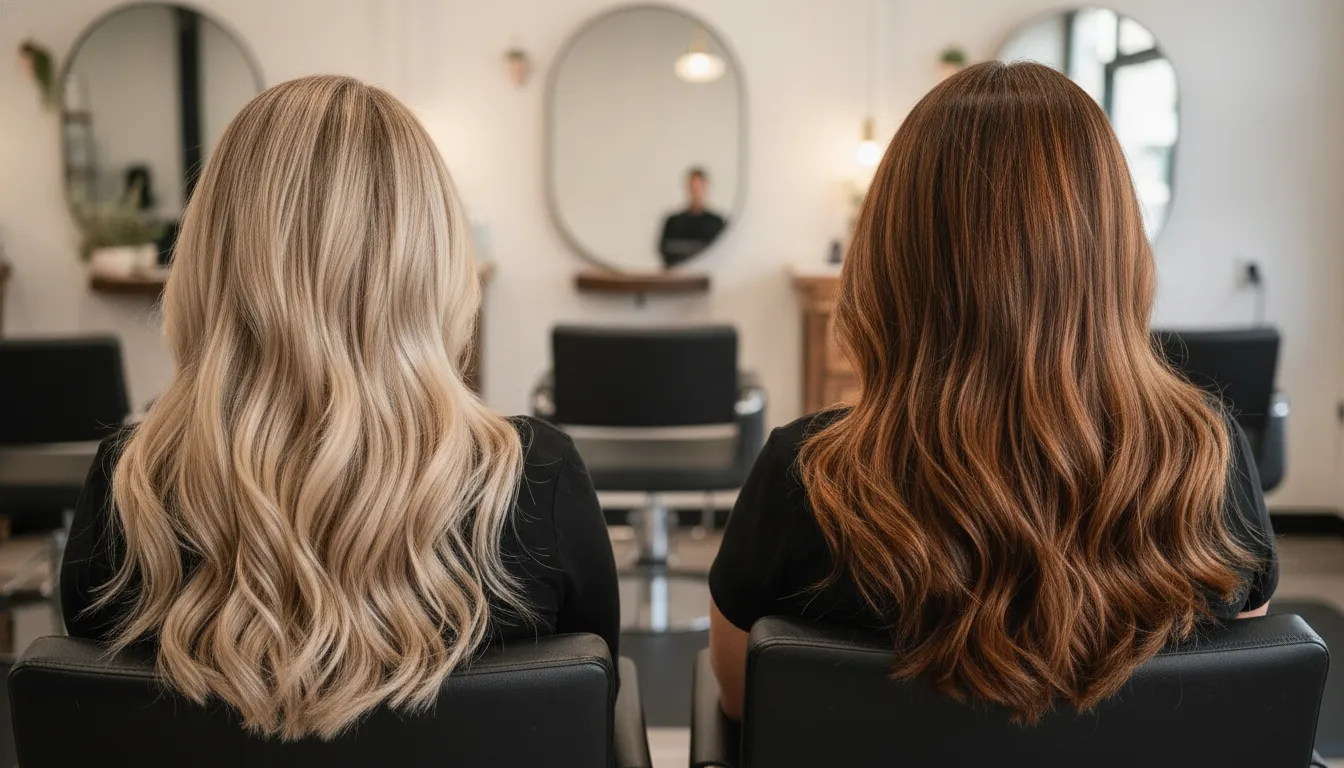
Freehand-painted color can create softly blended dimension through the lengths and ends.
Why does balayage often grow out softly?
Balayage is often painted away from a hard root line. As natural color returns, the transition may feel less obvious than a high-contrast highlight that begins directly at the scalp. That can appeal to guests who prefer a lived-in look or do not want every appointment to focus on root brightness.
Balayage is not maintenance-free. Toner can fade, brightness can shift, and your preferred finish may change over time. Maintenance depends on placement, contrast, natural color, and how closely you want to preserve the original look.
Highlights vs Balayage Which Is Better for Your Look?
Answer: At Dolce Salon, foil highlights are generally better for controlled, brighter, root-focused lightness, while balayage is generally better for softer dimension and a blended transition. These are starting points, not promises. A colorist may combine techniques to fit your hair, haircut, starting canvas, and desired result.
Those are useful starting points, not promises. A colorist may also combine techniques to fit your hair and desired result.
Consideration | Foil highlights | Balayage |
Application | Selected strands are isolated in foils. | Lightener is painted onto selected areas. |
Typical finish | Brighter, more defined, and structured. | Softer, blended, and dimensional. |
Root contrast | Can be more visible when placement starts at the scalp. | Can feel softer when placement begins below the root. |
Placement control | Precise section-by-section brightness. | Flexible placement that follows the haircut and movement. |
Grow-out | May show sooner when contrast is high. | May transition more gently, depending on placement and contrast. |
How do the techniques change on different starting colors?
Starting color changes the plan. On naturally light or medium hair, either technique may create visible dimension with a moderate shift in tone. On dark hair, a stylist must account for the warmth that can appear as hair lightens. The goal is not simply to apply more lightener. The goal is to choose a target tone, placement, and processing approach that suits the hair's condition.
Existing color matters just as much as natural color. Previously colored hair may respond differently from virgin hair, and older highlights can create several levels of porosity across the same head. A consultation can identify whether the next service should brighten the root, blend the lengths, refresh the tone, or allow older lightened pieces to grow out.
For a broader look at color options in Tacoma, visit our hair color expertise guide. You can also review our current color services before your appointment.
For another practical perspective, read what balayage means for a Tacoma hair color plan and browse the color inspiration on our blog. These pages can help you describe the finish you want without treating an inspiration photo as a guarantee.
Book a Tacoma color consultation online when you are ready to discuss your starting color, inspiration photos, and realistic maintenance plan.
Which Lasts Longer: Highlights or Balayage?
Answer: At Dolce Salon, balayage may appear softer for longer when placement avoids a solid root line, while foil highlights can show regrowth sooner when contrast is high. Neither technique has one universal schedule. Your preferred brightness, natural color, placement, and tolerance for visible regrowth determine upkeep.
Balayage may appear softer for longer when its placement avoids a solid root line, but neither technique has one universal maintenance schedule. The timing depends on how much contrast you want and how quickly you notice changes at the root, hairline, or part.
- Placement:
Hairline and part-focused brightness may be more noticeable as it grows.
- Contrast:
A large difference between your natural base and lightened pieces can make regrowth easier to see.
- Brightness goal:
Very bright hair may need more consistent refreshes.
- Tone:
Toner can shift as it fades, even when lightened hair is still present.
- Personal preference:
Some guests prefer a crisp, freshly highlighted look, while others enjoy a softer transition.
Both techniques involve lightening, and chemical treatments can alter the hair fiber. A peer-reviewed overview of hair-fiber chemistry describes how cosmetic treatments can affect structural bonds. Professional assessment helps match the service to your hair's condition and history.
Which Technique Is Better for Your Hair Goals?
Answer: At Dolce Salon, the better technique is the one that matches your desired finish, starting canvas, and willingness to maintain it. Choose foil highlights for controlled brightness, balayage for softer dimension, or a blended approach when your hair history and goals call for both.
The better technique is the one that matches your desired finish, starting canvas, and willingness to maintain it. Use your lifestyle and visual preferences as the starting point, then let your hair history shape the recommendation.
Choose foil highlights for controlled brightness
Foils may be the better fit when you want noticeable blonde brightness close to the scalp, consistent dimension, or a repeatable pattern. They can also support carefully placed brightness around the face. If you want a polished, clearly highlighted effect, ask whether a partial or full foil service fits your goal.
Choose balayage for softer dimension
Balayage may be the better fit when you prefer a lived-in finish, hand-painted movement, and a softer transition at the root. It can keep brightness subtle or make the ends more noticeable. The technique is not automatically lower maintenance, but its placement may be more forgiving as natural color returns.
Let your hair history lead the consultation
Previous color, box dye, extensions, heat exposure, and fragile or porous hair can change what is realistic in one appointment. We may recommend a phased plan, different placement, or more subtle goal when that better protects the integrity of your hair. Our consultation-first approach is designed to make that conversation clear instead of promising a result your hair cannot support.
Share your complete color history, including at-home color, vivid shades, keratin services, and older highlights. A careful assessment can help determine where lightener belongs and whether a strand test is appropriate.
Your stylist can also decide whether the goal should be divided into stages. This is especially important when moving from dark or previously colored hair toward a much lighter result.
How to decide during your color consultation
- Describe the finish:
Decide whether you want defined brightness, soft dimension, face-framing change, or a subtle overall shift.
- Discuss the root:
Explain whether you like brightness close to the scalp or prefer a softer transition.
- Review your history:
Mention previous color, box dye, heat, extensions, and treatments that could affect lightening.
- Set a maintenance rhythm:
Consider how often you realistically want to refresh brightness, tone, or placement.
- Choose a realistic first step:
Follow the professional recommendation if your hair needs a phased plan or gentler lift.
This process keeps the decision focused on the result rather than on which technique is most popular. It may also reveal that a combination is the best answer.
A stylist might use foils for brightness around the face and painted pieces through the lengths. The technique should serve the look and the condition of the hair, not the other way around.
What should you bring to a highlights or balayage consultation?
Bring two or three reference photos that show the finish you want in natural-looking light. One photo can show your preferred brightness, and another can show how soft or defined you want the root area. A third can show the amount of contrast you are comfortable maintaining. Photos are helpful because words such as blonde, natural, bright, and blended mean different things to different people.
Also bring an accurate color history. Tell your stylist about permanent color, demi-permanent color, box dye, vivid shades, henna, keratin services, extensions, and frequent heat styling. Even if an older service has grown out, the lengths and ends may still respond differently from the new growth. That history helps your stylist choose a safer placement and a realistic first goal.
At Dolce Salon, we use the consultation to talk through your desired finish, starting canvas, timing, and upkeep. Our new-client color session guide explains how the service plan can reflect the complexity and time involved. Dolce's service information also presents a tiered stylist system, so you can ask which available stylist level fits your preferences and appointment needs. Availability and the recommended service should be confirmed before booking.
Dolce Salon serves Tacoma from a convenient 6th Avenue location. Because location and parking details can change, confirm the current address and parking information when you schedule. This practical conversation is part of choosing a color experience you can enjoy both on appointment day and during the grow-out period.
Learn more about our team on the Dolce Salon team page, or review the new-client color session information if you are visiting us for the first time.
Book your Tacoma color consultation before choosing highlights or balayage and bring your inspiration photos plus complete color history to the conversation.
Frequently Asked Questions
What is the main difference between balayage and highlights?
Highlights use foils to isolate strands and create controlled brightness. Balayage uses freehand painting to create customized, often softer dimension. The right choice depends on your desired finish, root contrast, and maintenance preference.
Is balayage or highlights better for damaged hair?
Neither technique is automatically best for damaged hair. Your stylist should assess the condition, previous chemical services, and desired lightness before recommending a plan. A smaller change or phased service may be more realistic than maximum lift.
Which costs more, balayage or highlights?
Cost depends on the amount of lightening, hair length and density, service time, and the plan recommended for your hair. It is more useful to compare the work required than to assume one technique always costs more. A consultation can help identify the appropriate service.
Can I get balayage if I already have highlights?
Often, but the answer depends on your existing placement, banding, hair condition, and desired result. Your stylist may blend or adjust the color over one or more appointments. An assessment is safer than adding lightener without reviewing the current hair.
Which option is better for dark hair?
Either technique may work, but the plan must account for your natural or colored base and the amount of lift needed. Foils can provide controlled brightness, while balayage can create a softer transition. Your stylist will set a realistic tone and lightness goal based on your hair history.
Ready to Choose Your Color Technique?
There is no universal winner in the highlights vs balayage which is better question. Foils may be right for defined brightness, while balayage may be right for softer dimension and a lived-in transition. At Dolce Salon, we will listen to your goals, assess your hair, and recommend a realistic plan at our Tacoma salon.
Book your color consultation online with Dolce Salon and tell us whether brightness, softness, gray blending, or easier grow-out matters most to you.
Comments