

Should I use purple shampoo on balayage hair: A Clear Starting Point | Purple Shampoo for Balayage Tacoma
If you are searching for purple shampoo for balayage tacoma, the short answer is: it can help when your lighter pieces look yellow, but it is not a must-have for every balayage. Your base color, the tone you want, the condition of your hair, and how quickly it absorbs pigment all matter. Start with a small, careful trial rather than assuming purple shampoo belongs in every wash.
Purple shampoo for balayage Tacoma: what does it do?
Purple shampoo is a cleansing product with violet-toned pigment. On lightened hair, those pigments can visually soften the appearance of yellow or brassy warmth. It does not lighten hair, replace a salon toner, or change the placement of your balayage. Think of it as a temporary tone-maintenance option, not a complete color service.
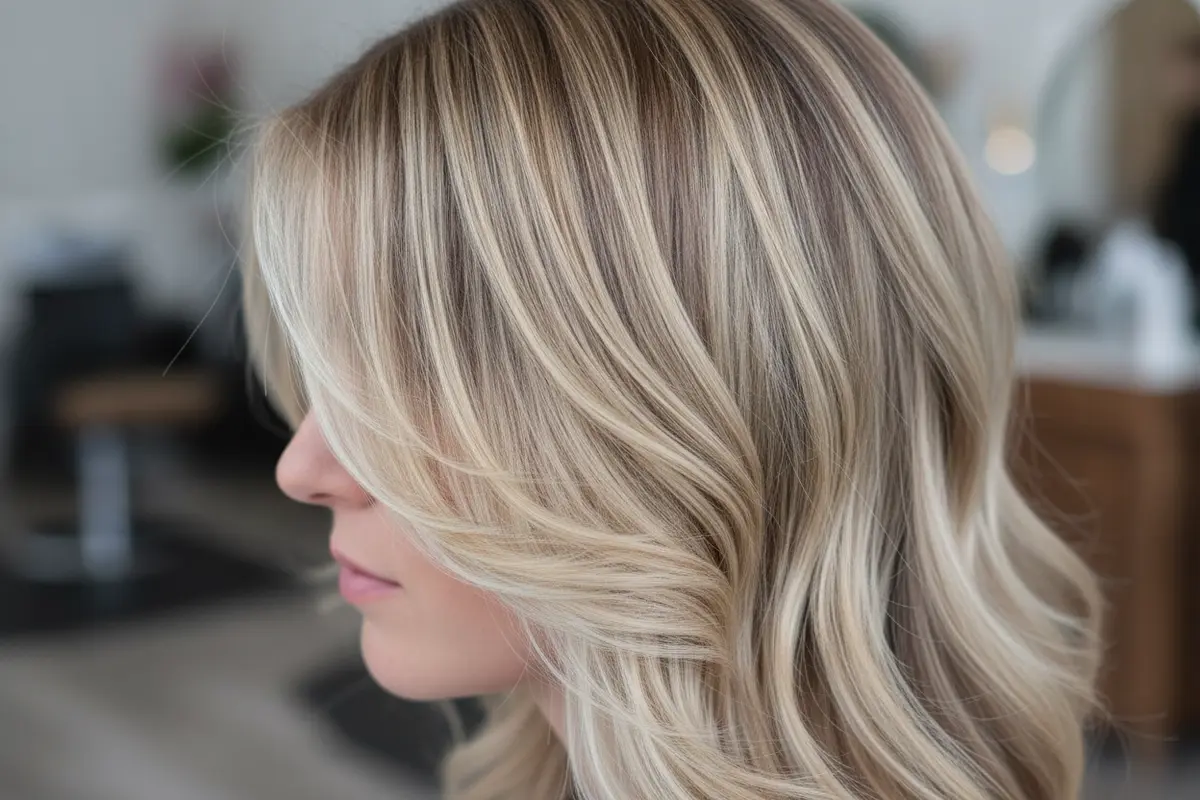
Balayage describes a color application approach, not one single shade. Your hair may have a darker base with caramel ribbons, sandy blonde ends, bright face-framing pieces, or a mix of tones. Violet shampoo is most useful when the lightened sections have become more yellow than you like. It may do little for orange or copper tones, and it may make beige, silver, or very pale pieces look dull or overly cool if used too often.
The underlying color plan matters, too. Balayage is often chosen for a softer blend and a more gradual grow-out, but the final look depends on your starting hair and the colorist's plan. The Aveda Institute of Beauty and Wellness overview of balayage and highlights describes balayage as a technique for creating natural highs and lows. That variation is one reason a product that suits one person's blonde pieces may not suit another's.
When might purple shampoo be a good fit?
Consider trying it if your balayage has blonde or lightened sections that look distinctly yellow, and you prefer a cooler or more neutral finish. The change is usually subtle and temporary. Purple shampoo can help maintain the impression of tone between appointments, but it will not restore color that has faded completely or recreate the gloss of a fresh professional toner.
Before buying a product, identify exactly where you see warmth. Is it the lightened ends, the pieces around your face, or the darker base? If warmth is orange rather than yellow, a violet product may not be the right color family. If the balayage looks uneven, too warm overall, or unlike the result you planned, ask your colorist before layering more pigment over it.
Color services and dyes can affect the hair shaft. Research describing hair and scalp effects of chemical treatments notes that hair dyes and perms can alter the shaft's structure through physical and chemical changes (review of mechanisms of hair and scalp impairment). That is not a reason to avoid color, but it is a good reason to consider your hair's condition and your full service history before adding more at-home steps. A stylist can help you decide whether the concern is simply tone or whether your hair needs a different plan.
When can purple shampoo make balayage look worse?
Too much pigment or too frequent use can leave lightened pieces looking gray, lavender, or flat. Porous areas may grab pigment more quickly than healthier sections, so the ends can look cooler or darker than the mid-lengths. If your balayage is creamy, honey, or warm beige by design, removing all visible warmth may also move it away from the finish you wanted.
It can also be easy to mistake a different problem for brassiness. Dryness, product buildup, mineral deposits, or an uneven salon result may affect how color looks. Purple shampoo is not a clarifying treatment, a repair service, or a substitute for a consultation. If your hair feels unusually rough or the color changes sharply from section to section, pause the experiment and ask for advice.
How should you use purple shampoo for balayage Tacoma safely?
If a colorist agrees it suits your goal, start conservatively. Always read the product directions, because formulas vary. Use it on the areas that need a cooler appearance rather than automatically coating every section. A strand test on a discreet lightened piece can show how quickly your hair takes on pigment.
- Begin with a clear goal.
Decide whether you want less yellow, a more neutral blonde, or simply a refreshed look. Take a photo in natural light so you can describe what you see.
- Test one small section.
Follow the product label and check the result before using it broadly. Do not leave it on longer than directed in the hope of a stronger correction.
- Use it occasionally, not automatically.
Let your hair's appearance guide you. Alternate with a gentle color-safe shampoo if that fits your stylist's advice.
- Condition and reassess.
After washing, check the tone when the hair is dry and in natural light. If it looks dull, violet, or uneven, stop using the purple product and consult your colorist.
There is no universal schedule. Hair porosity, color placement, product strength, wash routine, and the look you want all affect the result. Semipermanent hair dyes can remain visible over several shampoo applications, according to a review of hair-dye ingredients and potential health risks; that source discusses dye categories broadly, not every purple shampoo formula (review of hair dye ingredients and potential health risks). The practical point is to avoid assuming pigment will disappear immediately if you do not like the first result.
How do purple shampoo, regular shampoo, and a toner compare?
These options do different jobs. A color-safe shampoo cleanses without adding the same violet pigment. Purple shampoo adds a temporary cool-toned deposit. A salon toner is a professional color service selected for your specific result; it may be the better choice when at-home care is not addressing the issue.
Option | Best suited to | What to keep in mind |
Color-safe shampoo | Routine cleansing when you like your current tone | Does not add violet pigment to counter yellow warmth |
Purple shampoo | Lightened pieces that look more yellow than you prefer | Can over-tone pale or porous areas; follow directions and start cautiously |
Salon toner | A more tailored adjustment to the overall tone or specific sections | Requires a colorist's assessment; it is not interchangeable with shampoo |
For clients new to Dolce, color planning begins with a conversation about the desired result and hair history. Our new-client color sessions use five tiers: Mini, Basic, Maintenance, Trademark, and High Maintenance. The right fit depends on the work planned, not simply on a product you already own. Toner is a separate service from color session pricing, so ask what is included when discussing a color plan. You can review our new-client information and salon color services before your visit.
What should you ask your colorist?
Bring a photo of your current hair in daylight and one or two examples of the tone you want. Tell your stylist what shampoo you use, how often you wash, and whether you have used at-home color or toning products. If you already tried purple shampoo, explain where you applied it and what changed. This detail helps distinguish a product issue from a color plan that needs adjustment.
Are my lighter balayage pieces yellow, or is the warmth a different tone?
Would purple shampoo suit the result I want, or would it make my hair too cool?
Should I apply it everywhere or only to selected lightened sections?
How often should I use it, and what should I use between applications?
Would a salon toner or another service be a better fit for the change I want?
At Dolce Salon, our Tacoma team takes a consultation-first approach and talks honestly about what your hair can achieve. Our colorists work with professional lines including Goldwell, Alfaparf, Redken, L'Oréal, and Davines. The team uses a tiered stylist system, which helps make service options and pricing levels more transparent. If you are planning a new color service, our guide to maintaining hair color between salon visits offers related care ideas, and the Dolce Salon team page introduces our stylists.
How can Tacoma clients plan a balayage refresh?
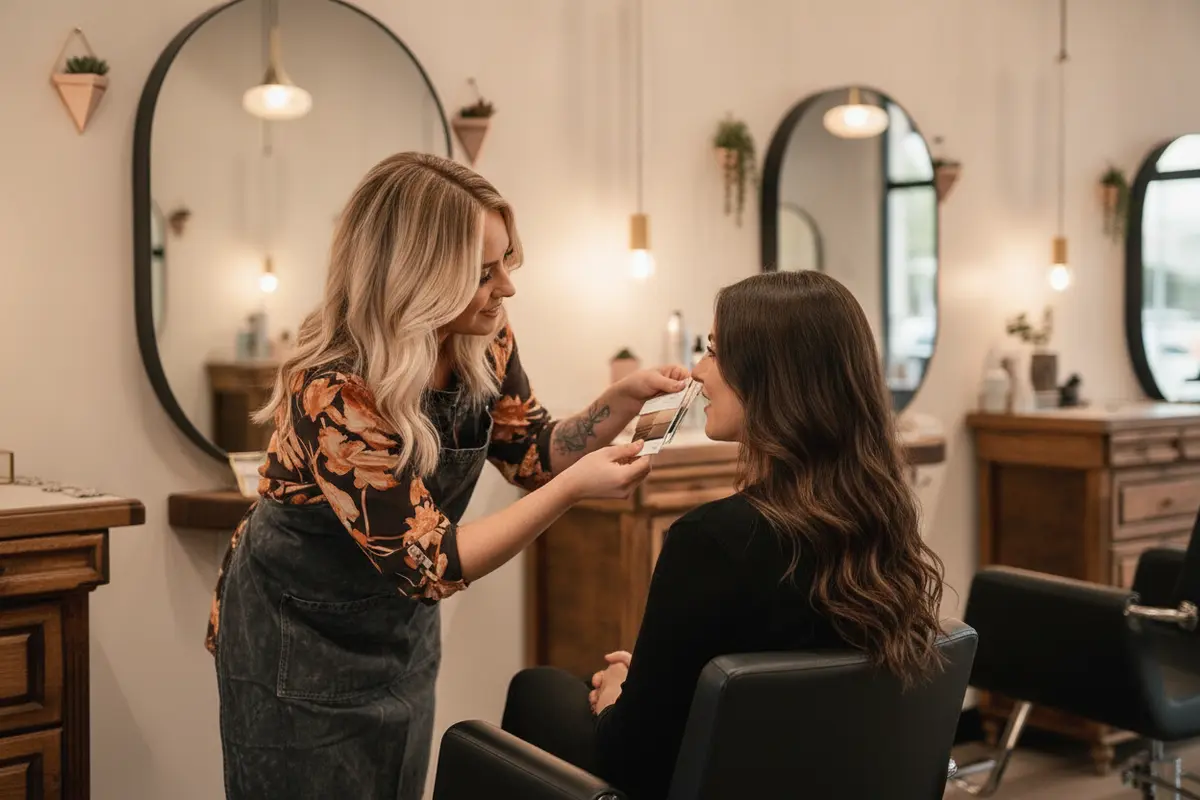
If you are unsure whether the color needs shampoo, toner, or a larger adjustment, a consultation can save you from trial and error. Bring your hair history, inspiration photos, and questions. We can talk through your desired tone, current color, maintenance preferences, and the service that makes sense. A toner may be a more controlled way to adjust tone than repeatedly using a strong pigment product at home.
Dolce Salon is on Tacoma's 6th Avenue corridor at 3835 6th Ave, with accessible parking nearby. For directions before your visit, see our location and parking information. Our local team works with a range of color goals, from subtle dimension to brighter blonde pieces, and a consultation helps us shape the plan around your starting point.
How can you tell whether the warmth is yellow or orange?
Look at your hair in indirect daylight rather than judging it under a warm bathroom bulb. Yellow usually reads like a soft gold or buttery cast in the lightened pieces. Orange often looks deeper, more coppery, or more like a warm penny tone. These are broad visual cues, not a diagnosis; mixed tones can appear in different sections of the same balayage. If you cannot tell, a stylist can assess the color in person.
Consider the result you want, too. If you love a sunlit, honey-toned finish, a little warmth may be part of the look rather than a problem to correct. If your goal is a cooler beige, tell your colorist that specifically. A photo reference can help clarify the difference between “less yellow” and “cool blonde,” which are not always the same request. This conversation helps prevent using a strongly pigmented shampoo to chase a result that may need a different product or professional adjustment.
Frequently asked questions
Will purple shampoo make balayage lighter?
No. Purple shampoo adds temporary pigment; it does not lift or lighten your natural or colored hair. It may make yellow warmth look less noticeable, but it cannot replace lightening or a salon color service.
Can I use purple shampoo on brown balayage?
It depends on which parts are lightened and what tone you want. Purple pigment may have little visible effect on darker sections. If your lighter ribbons are caramel or copper rather than yellow-blonde, ask a colorist whether violet is the right approach before trying it.
What if my balayage looks purple or gray after shampooing?
Stop using the product and contact your colorist for advice. Avoid adding another color product to counteract it without guidance, since the next step depends on how your hair took up the pigment and the tone you want.
Should I use purple shampoo before a salon appointment?
Ask your stylist first, especially if you have a color appointment soon or your hair has previously become over-toned. Sharing what you use and when you last used it gives your colorist useful context for planning.
For balayage that looks yellow, purple shampoo may be a useful occasional tool, but it is not the right answer for every shade or every head of hair. Start with your desired tone, use products carefully, and let a Tacoma colorist help you choose a plan that keeps your balayage feeling like you.
Comments