

What Is Balayage Hair Color? Your Tacoma Salon Guide
Updated: Sep 14
Choosing hair color is easier when you know how the lightness will move through your hair, how it will grow out, and how much upkeep fits your life. Balayage offers a softer, more personalized approach than an all-over change, but the right result depends on your starting color, hair history, and the placement you want.
What is balayage hair color? It is a freehand lightening technique in which a stylist paints color or lightener directly onto selected strands, creating a gradual, dimensional effect without using foils. The name comes from the French word balayer, meaning "to sweep," and describes the application method rather than a single shade.
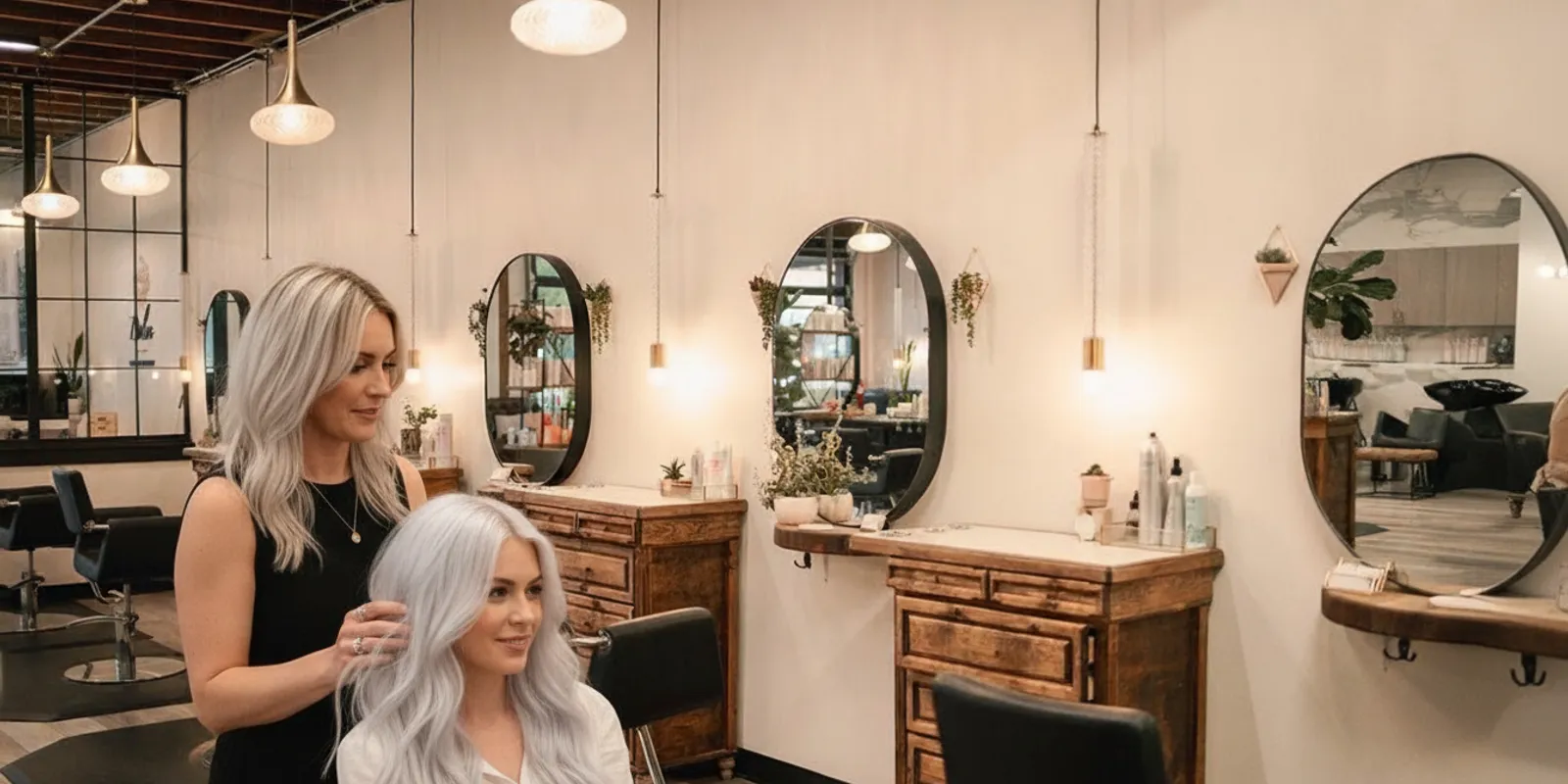
At Dolce Salon in Tacoma, we begin with an honest consultation so we can assess your hair's potential and shape the placement around your features, texture, and lifestyle. That thoughtful approach is also what separates a seamless custom result from a one-size-fits-all service. If you are deciding between techniques, our Hair Color Expertise guide shows how balayage, ombre, and other color techniques come together in one full-service color plan. First, let's look at how balayage compares with traditional highlights and why that difference matters for your finished look.
What Is Balayage Hair Color and How Does It Differ from Traditional Highlights?
If you have heard the word balayage but are not sure what it means, think of lightener placed by hand to create a soft, customized flow of brightness. Balayage is a freehand hair-color technique in which a stylist paints lightener directly onto selected strands without separating them into foils. The result can be subtle and dimensional, with placement designed around your natural hair, haircut, and overall look.
The name is pronounced BAH-LEE-AHGE and comes from the French word balayer, meaning "to sweep." That word describes the sweeping motion used to apply the lightener, not a specific shade of blonde or brunette. In other words, balayage is a method, not one finished color. Our Hair Color Expertise guide explores how this technique fits alongside other color services.
How the freehand technique works
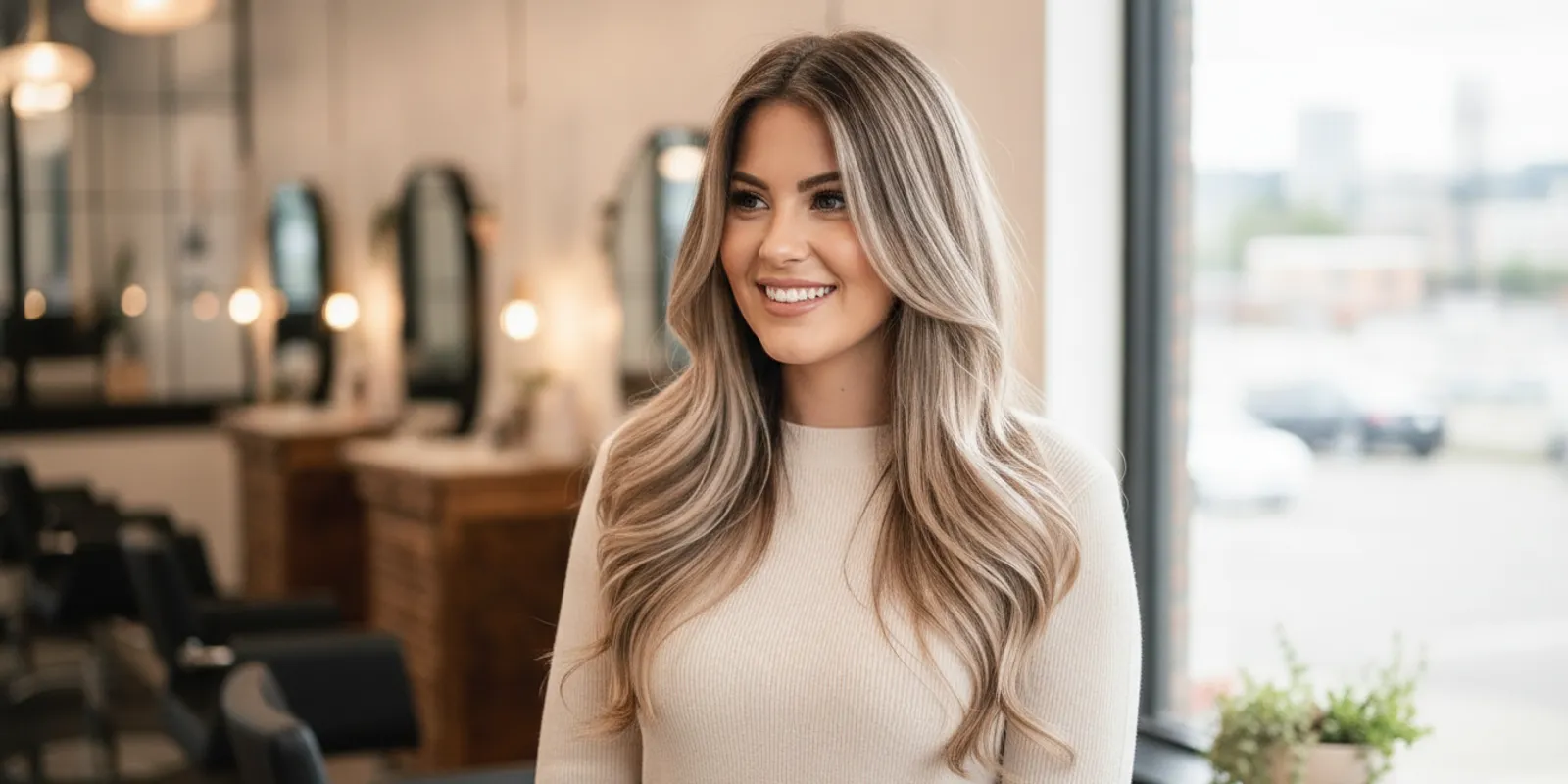
During a balayage service, your stylist selects sections and paints lightener where brightness will create the most natural movement. The application may begin farther down the hair instead of directly at the scalp, then become lighter toward the ends. This creates a graduated effect rather than a uniform stripe. Because the stylist controls the placement by hand, the finished look can be tailored to your hair's starting color, length, texture, and the level of contrast you want.
That customization is especially useful when you want dimension without changing every strand. A consultation helps us decide whether the brightness should frame your face, emphasize the shape of your haircut, or stay mostly through the midlengths and ends. We can also talk through how much contrast feels comfortable for your everyday style.
Balayage versus traditional foil highlights
Traditional highlights use foils to separate selected strands from the rest of the hair while color or lightener processes. Foils create a controlled, consistent environment for the treated pieces and can produce brightness that begins closer to the roots. This approach is often chosen when you want a more uniform highlight pattern or stronger root-to-end coverage.
Balayage is painted freehand and does not use foils to separate the treated hair. The visual effect is typically softer and more blended, with brightness that can transition naturally through the hair. Neither technique is automatically better. The right choice depends on your desired contrast, starting color, haircut, maintenance preferences, and the look your stylist is designing with you.
At Dolce Salon in Tacoma, we take time to understand that goal before recommending a technique. Whether you want delicate dimension or a brighter, more noticeable result, a thoughtful consultation keeps the plan realistic and personal.
Feature | Balayage | Traditional Highlights |
Application | Freehand-painted directly onto the hair, no foils | Separated strands wrapped in foils |
Finish | Soft, blended, sun-kissed dimension | More consistent, brighter sections |
Grow-out | Seamless, lower-maintenance root line | Regrowth can look more distinct |
Refresh cadence | Often every 3 to 6 months | May need attention more regularly |
Customization | Placement designed strand by strand | Uniform pattern across chosen sections |
Who Is a Good Candidate for Balayage?
Balayage can work beautifully on many different hair lengths, colors, and textures because it is designed around the individual rather than applied as a one-size-fits-all formula. Instead of choosing one standard placement, a stylist can adjust the hue, brightness, and gradation to complement your natural color, haircut, texture, and overall look. That makes it a flexible option whether you want a subtle change or more noticeable dimension.
Someone with long hair may want sweeping brightness through the mid-lengths and ends. While someone with a bob or shoulder-length cut may benefit from carefully placed pieces that follow the shape of the haircut. Curly and textured hair can also be considered for balayage, with placement planned around the way the hair moves and where light naturally catches the curl pattern. The goal is not simply to make hair lighter. It is to create color that feels intentional when your hair is worn naturally and when it is styled.
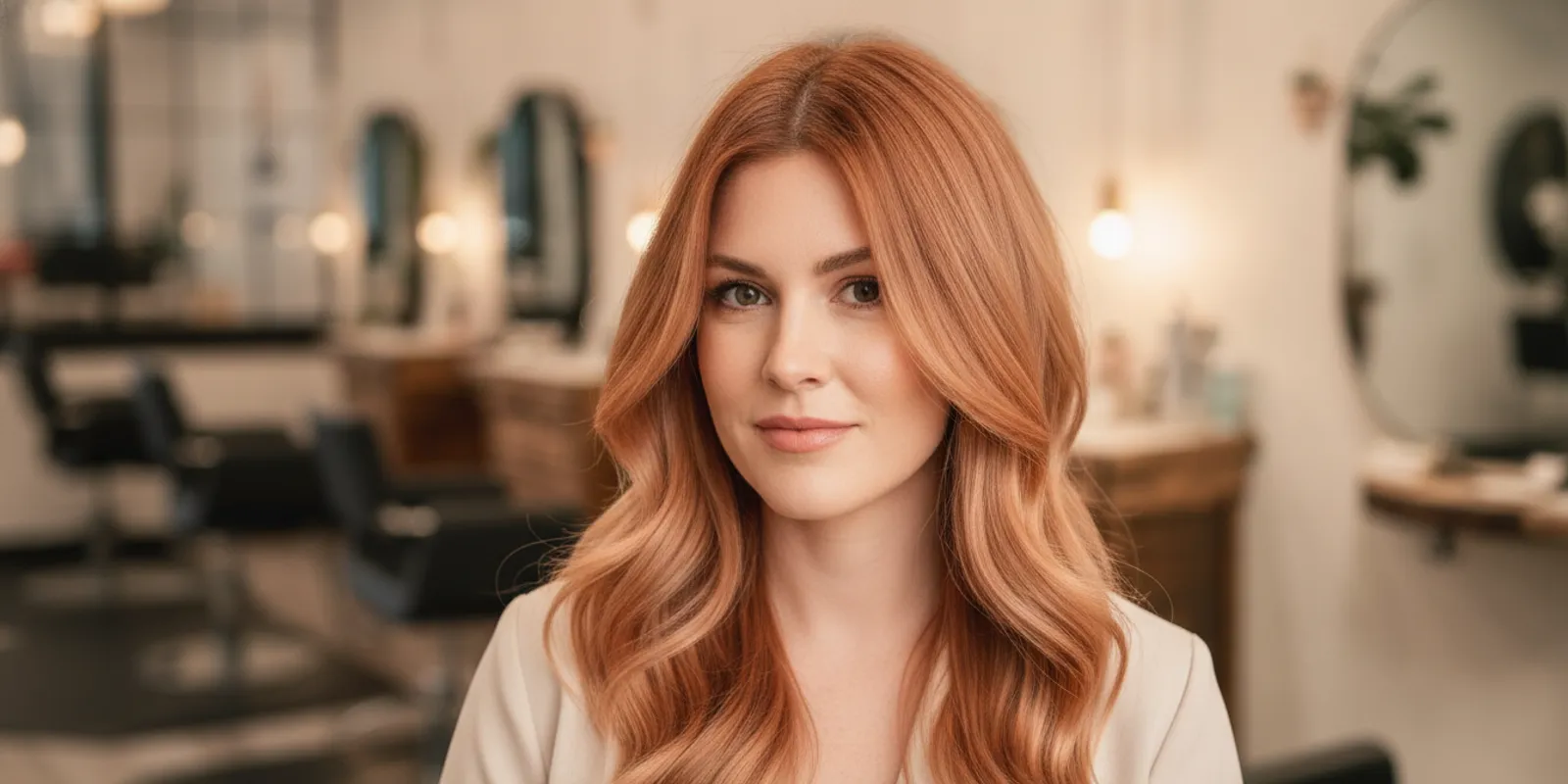
Balayage can suit brunettes, blondes, redheads, and clients with previously colored hair, although the best approach depends on the hair's current condition and color history. Your desired result may call for a soft caramel shift, warm copper dimension, cool blonde brightness, or a more understated change close to your natural shade. A professional should explain what is realistic in one appointment and what may need to happen gradually. Especially if the hair has existing color, artificial pigment, or signs of damage.
A consultation makes the difference
At Dolce Salon, we begin with a consultation for new clients so we can evaluate your hair potential. Understand your goals, and set clear expectations before the service begins. We look at more than an inspiration photo. We discuss your current routine, previous color services, how often you want to visit the salon, and how you normally wear your hair. This helps us recommend a placement and tone that fit your lifestyle instead of creating a result that only looks right in a single styled photograph.
Our Tacoma team takes a thoughtful, artistry-led approach to color. We can talk through the level of contrast you prefer, how much maintenance feels comfortable. And whether balayage is the right technique for the result you have in mind. Some clients want a barely-there sunlit effect, while others want brighter ribbons that frame the face. Both can be possible, but the plan should reflect your hair's starting point and your expectations.
If you are exploring the possibilities, take a look at our customized balayage color services. Then bring your questions to a consultation at our 6th Avenue salon in Tacoma, where we can create a plan for handcrafted beautiful hair with amazing care.
How Long Does a Balayage Appointment Take at a Salon?
A balayage appointment is usually a longer, more detailed color visit than a standard foil service. At Dolce Salon in Tacoma, we begin with a consultation, then design the placement and tone around your existing color, haircut, texture, and goals. Because balayage is hand-painted freehand rather than applied to uniform foil sections. Your stylist needs time to create a soft, intentional blend instead of treating every strand the same way.
What happens during the appointment?
Your visit typically includes several stages:
- Consultation:
We discuss your desired brightness, maintenance preferences, previous color, and the condition of your hair. This is where we decide whether a partial or fuller balayage is the right starting point.
- Custom placement:
Your stylist hand-paints lightener where it will create dimension and complement your features. Balayage is a technique, not one fixed shade, so the result is tailored to you.
- Processing and evaluation:
The lightener needs time to develop safely. Your stylist monitors the result rather than treating the process like a one-size-fits-all timer.
- Rinse, tone, and finish:
After rinsing, we refine the tone as needed, then style your hair so you can see the movement and contrast in the finished look.
The exact appointment length depends on your starting color, hair length and density. The amount of lightening planned, and whether you are booking a first session or a maintenance visit. A first balayage may require more planning and more painted sections than a refresh. If your hair has previous color that needs to be corrected, the service may be treated as color correction rather than a straightforward balayage appointment.
Why the extra time is worth it
The goal is not simply to make the hair lighter. It is to create a gradual, sun-kissed effect that grows out softly. The freehand approach allows our stylists to vary the placement and intensity, giving the finished color a more customized look. The technique is also designed to reduce the need for frequent root appointments. Research describes balayage touchups as typically spaced every 3 to 6 months, rather than the roughly 8-week cycle associated with some traditional root-focused services. Learn more about the technique and its maintenance pattern.
That longer interval can make the initial time investment worthwhile, especially if you want dimension without committing to frequent salon visits. If you are new to color at Dolce Salon, you can book your first balayage session and share your goals with us before your appointment. We will help you choose a realistic plan for beautiful hair with amazing care.
How Much Does Balayage Cost in Tacoma?
The cost of balayage depends on the amount of color work your hair needs, the result you want, and the stylist level you choose. At Dolce Salon in Tacoma, we make that process easier to understand with a transparent tiered stylist system: J1, J2, J3, S1, S2, S3, and Master stylists. You can choose the level that fits your preferences while still receiving a thoughtful consultation and a customized plan.
A color session tier for your starting point
For new clients, our color sessions are organized into five levels: Mini, Basic, Maintenance, Trademark, and High Maintenance. These tiers help us match the appointment to your hair's current condition, the amount of transformation involved, and the time and technique required. Balayage that refreshes an established look may fit a different session than a first-time lightening service or a more substantial change.
That structure is especially helpful when you are researching what is balayage hair color and trying to compare service options. Rather than choosing a vague one-size-fits-all service, you can talk with your stylist about your goals, maintenance preferences, hair history, and realistic possibilities. Our Tacoma team uses that consultation to set expectations before the appointment begins.
What is included, and what may be added?
Color session pricing does not include every possible finishing service. Toner is $25, and Root Shadow is $30. These services may be recommended depending on the tone, blend, or root effect you want. So we discuss them as part of your plan instead of leaving you to guess about the final cost.
We also want clients to know how more involved appointments are classified. Services exceeding four hours are treated as color correction and are priced at hourly rates. This classification reflects the additional time, product, and technical care required to safely work through a complex color history. It is not a seasonal, weekday, or event-based price change.
Why a consultation matters for balayage
Balayage is a customized technique, not a single finished shade. During your consultation, we consider your existing color, hair condition, desired brightness, placement, and how often you want to maintain the look. That conversation helps us recommend an appropriate session tier and stylist level for your goals.
For a local, artistry-led approach, explore our customized balayage color services or connect with our Dolce Salon team in Tacoma's 6th Avenue corridor. We are here to create handcrafted beautiful hair with amazing care, while making the service plan clear before you commit.
How Do You Maintain Balayage Color Between Appointments?
One reason balayage remains popular is its forgiving grow-out. Because the lightener is blended through the lengths instead of creating a hard line at the scalp, the color is designed to grow out naturally and seamlessly. That makes maintenance more flexible than a look that requires frequent root coverage. But your ideal refresh schedule still depends on where the lighter pieces begin and how noticeable you want the contrast to be.
For many clients, professional balayage touchups are scheduled every three to six months. This range is a useful starting point, not a rule that applies to every head of hair. Our stylists consider your placement, natural color, hair goals, and the way your color has softened since your last visit before recommending the next appointment.
Your placement determines your refresh schedule
Balayage that begins lower in the hair can remain beautiful for much longer because new growth does not immediately change the overall shape of the color. A lower balayage may last up to a year when the gradual effect still suits your style. By contrast, lighter pieces placed close to the roots become visible sooner and may need more regular attention.
- Lower balayage:
Plan for a softer, longer grow-out. In some cases, the color can last up to a year before a full refresh is needed.
- Mid-placement balayage:
Many clients return within the broader three- to six-month window to brighten the blend and refine the tone.
- Higher balayage:
Lighter pieces near the roots may need a refresh around every six to eight weeks to keep the placement looking intentional.
- Root-adjacent lightener:
Some stylists recommend touchups every eight to twelve weeks when lightener sits closer to the roots. Refreshing too often can work against the soft, natural finish balayage is meant to create.
Between appointments, pay attention to the signs that your color is ready for professional attention. You may notice the brightness has faded, the tone looks warmer than you prefer, or the blended pieces no longer frame your face the way you want. A gloss or toner may be appropriate for tone, while a larger refresh may be needed when the placement itself has grown out.
At Dolce Salon in Tacoma, we use the consultation to match maintenance to your lifestyle rather than forcing you into a fixed schedule. Bring photos of the finish you want, mention how often you prefer to visit, and let us know whether you want subtle brightness or a more noticeable result. That conversation helps our team create a balayage plan that continues to look beautiful as it grows.
For reference, balayage is generally described as lasting from three months to a year because of its seamless grow-out, while higher placement requires earlier refreshes. Wella Professionals explains the difference between higher and lower balayage placement, and Salon Boulevard discusses the eight- to twelve-week touchup range.
What Is the Downside of Balayage?
Balayage is often described as low maintenance, but that does not mean maintenance free. The main downside is that your refresh schedule depends on where the lighter pieces begin, how much brightness you want, and how quickly you notice new growth. A soft, lower balayage can grow out gradually. A brighter look placed close to the roots will show change sooner and may require a more regular salon visit.
Higher placement can mean earlier refreshes
When lighter pieces sit near the roots, a higher balayage may need refreshing around every 6 to 8 weeks. By contrast, a lower balayage can last much longer, in some cases up to a year, because the grow-out is less noticeable. These are useful planning ranges, not guarantees. Your natural color, the contrast between your base and the lightened pieces, and the finish you want all affect the timing. Wella Professional explains the difference between higher and lower balayage placement.
That shorter cycle can be frustrating if you chose balayage specifically to minimize appointments. It is worth saying that upfront: a natural, softly blended result may allow visits every 3 to 6 months, while a brighter, root-adjacent result asks for more upkeep. Glossing or toning may also be part of maintaining the shade, even when you are not ready for another lightening service.
The result depends on freehand skill
Balayage is a freehand technique, so the finished look depends heavily on the stylist's ability to judge placement, saturation, lift, blending, and the condition of your hair. The same inspiration photo can produce different results on different hair, and an overly heavy application can look less natural than intended. This is not a reason to avoid the service. It is a reason to choose a stylist who studies your hair instead of treating every appointment like a preset formula.
At Dolce Salon in Tacoma, our consultation-first process is designed to make that decision clearer. We evaluate your current color, hair potential, maintenance comfort, and desired level of brightness before recommending a plan. We will talk honestly about what your hair can support, how often you are likely to return, and whether a softer placement may serve you better. That conversation helps us create handcrafted beautiful hair with amazing care, rather than promising a result that does not fit your routine.
Frequently Asked Questions
What is balayage hair color?
Balayage is a freehand lightening technique in which a stylist paints color or lightener directly onto selected strands instead of separating them in foils. The result is a customized, graduated effect that can look softly sun-kissed while allowing your natural base to remain visible. The word comes from the French balayer, meaning "to sweep," and describes how the product is applied, not a specific shade. Source: Campus Cosmetology.
Is balayage better than traditional highlights?
Neither technique is universally better. Balayage is a strong choice when you want softer dimension, visible depth, and a more gradual grow-out. Traditional highlights use foils to create more consistent, brighter sections from root to end, which may suit a higher-contrast look. During a consultation, we can compare placement, maintenance, and your desired finish before choosing.
Can balayage cover gray hair?
Balayage can blend gray hair and add dimension, but it may not provide complete gray coverage by itself. If full coverage is your priority, we may recommend a base color with balayage, or another customized combination. The right plan depends on how much gray you have, where it appears, and whether you want a natural blend or opaque coverage.
What is the downside of balayage?
The main tradeoff is that the technique depends heavily on thoughtful placement and strong stylist expertise. A brighter balayage placed close to the roots also needs more frequent refreshing than a lower, softer placement. That makes an honest consultation important, especially when balancing your desired brightness with your maintenance routine.
How long does balayage last?
Many balayage clients schedule touchups every 3 to 6 months, although the timing depends on placement and contrast. A higher balayage with light pieces near the roots may need refreshing in about 6 to 8 weeks, while a lower balayage can last up to a year. Sources: Campus Cosmetology and Wella Professionals.
Ready to Explore Balayage in Tacoma?
Our Dolce Salon team can help you choose balayage placement, tone, and depth that fit your hair and the look you want. A consultation gives us time to understand your goals and recommend a thoughtful color plan. When you are ready, book a balayage consultation online with our Tacoma salon.
Comments