

How often do money-piece highlights need maintenance: What to Know Before You Book
If you are wondering how often money piece highlights need maintenance in Tacoma, the practical answer is: it depends on how bright and defined you want the pieces around your face to stay. Many clients use roughly 6 to 12 weeks as a planning window for a refresh, but that is not a fixed rule or a promise that every head of hair needs the same schedule. Placement, contrast, natural regrowth, and your comfort with a softer look all matter.
How often do money-piece highlights need a refresh?
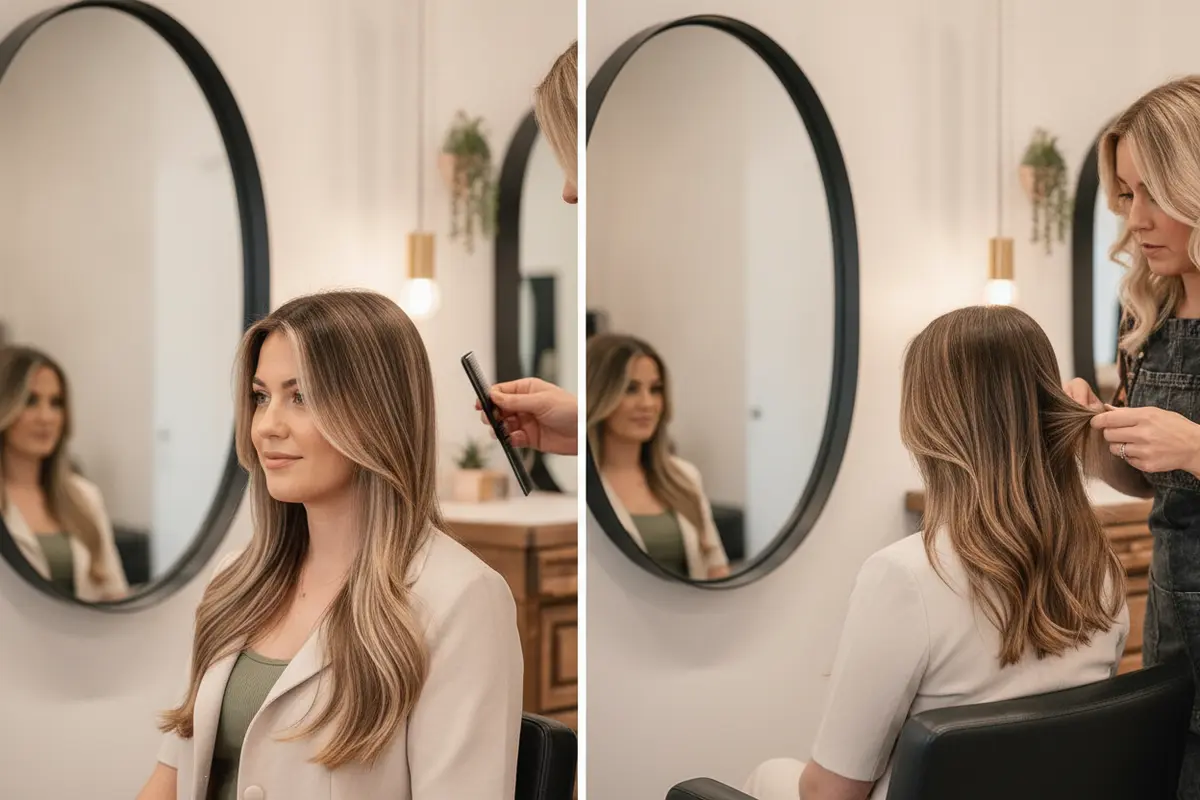
A money piece is a brighter or lighter section placed around the front hairline to frame the face. Because it sits where you see it each day, new growth can feel noticeable sooner than regrowth elsewhere. If you prefer a crisp, high-contrast frame, you may want to talk with your stylist about checking in around the shorter end of a maintenance window. If you like a softer, blended result, you may be comfortable waiting longer.
Think of 6 to 12 weeks as a conversation starter, not a recommended appointment interval for everyone. Some clients schedule a small front-section refresh between larger color visits; others ask for a blended root or a less defined placement so they can go longer. Your colorist can help set a realistic plan after seeing your starting color, prior color history, and desired brightness.
Money-piece maintenance also does not always mean repeating the same lightening service. Depending on the condition and appearance of your hair, a visit might involve a smaller face-frame refresh, a toner, a root blend, or a larger color appointment. Your stylist should explain what is appropriate for your hair and what each service includes before you decide.
What changes your maintenance timing?
Contrast between your natural color and the lighter pieces
A high-contrast money piece tends to make new growth easier to see. If your natural hair is dark and the front pieces are very light, the root line may stand out more than it would with a closer, softer shade. A lower-contrast blend can make regrowth feel less urgent. Neither look is better; they simply create different upkeep expectations.
How close the lightened section starts to your hairline
When brightness begins right at the hairline or part, even a small amount of new growth may change the look. A placement that leaves a little softness at the root can grow out more gently. During consultation, point out where you part your hair and how you normally wear it. A stylist can use those details to plan a face frame that suits your habits.
Your natural growth and styling routine
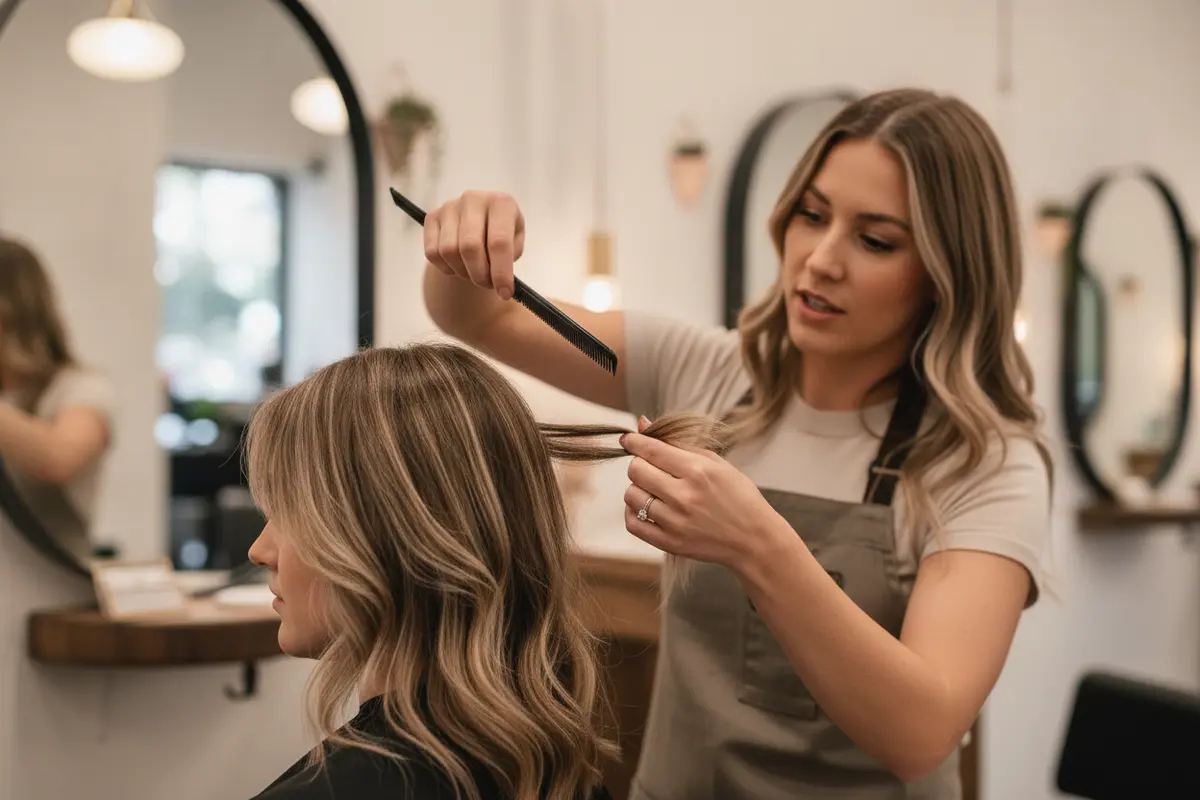
Hair grows at an individual pace, so a calendar interval that works for a friend may not suit you. Frequent ponytails, a changing part, or wearing hair pulled back can also make the front sections more visible. Consider how you wear your hair most days, not only how it looks after a salon blow-dry.
For example, if you usually wear a center part and tuck both sides behind your ears, the front pieces may be on display throughout the day. If you wear a side part or loose waves that soften the transition, regrowth might bother you less. These details do not change how quickly hair grows; they change how clearly you notice the root area. A useful way to choose a check-in is to look at your hair in your usual style and decide what change would make you want a refresh, rather than booking solely because a certain number of weeks has passed.
The result you want between appointments
Ask yourself whether you need the front pieces to look freshly bright all the time, or whether you enjoy a softer, lived-in phase. If you are comfortable with gradual regrowth, a longer interval may be workable. If you want a crisp frame for a particular event, plan ahead with your colorist rather than assuming a last-minute appointment will be available or suitable.
How can you choose a workable appointment interval?
- Describe your ideal look.
Bring a few reference photos and explain whether you want bold brightness, a subtle frame, or a blend that softens as it grows.
- Show your usual part and style.
Your colorist needs to see how the front pieces sit when you wear your hair normally.
- Talk through your color history.
Mention previous lightening, at-home color, and any changes in your hair that could affect the plan. Do not assume old color will lift like untouched hair.
- Ask what a maintenance visit would include.
Confirm whether you are discussing only the face frame or a broader highlight service, and whether additional services such as toner or root shadow are separate.
- Agree on a check-in point.
Instead of booking a recurring schedule before you know how the look wears, ask when it would make sense to reassess.
At Dolce Salon, new-client color starts with a consultation and is organized into five session categories: Mini, Basic, Maintenance, Trademark, and High Maintenance. The right fit depends on the work involved, not just the name of the technique. Toner and Root Shadow are not included in color session pricing; ask your stylist to clarify the services and current pricing for your plan. You can review the new-client information and salon color services before your visit.
It can help to describe the appointment you imagine in practical terms: “I want the front to feel bright, but I am fine with visible roots for a while,” or “I want a clean, bright frame for an upcoming occasion.” Those goals can point to different placements and follow-up plans. Ask how the suggested service differs from a full highlight visit and what would be addressed today versus later. Dolce’s tiered stylist system provides transparent levels, and a consultation helps connect the service category to the work your hair needs. Our 6th Avenue salon in Tacoma has accessible parking, so you can plan the visit without treating the maintenance interval as an emergency.
Can you stretch the time between money-piece appointments?
Often, the best way to extend the interval is to plan for a softer grow-out from the start. Tell your stylist if low-maintenance color matters more than maximum brightness at the root. A more diffused placement or a closer shade may create a gentler transition. These choices still need to suit your starting color and the result you have in mind, so discuss the trade-offs rather than asking for a specific technique by name alone.
Between appointments, follow the care guidance your colorist gives you. Use products suited to color-treated hair, protect your hair from excess heat, and avoid making major at-home color changes to the highlighted area. These steps can support the appearance of your color, but they do not stop natural regrowth or replace professional evaluation.
Do not use a purple or toning product automatically just because the front pieces look different from the day they were colored. Ask your stylist whether a specific product or gloss fits your shade and hair. If your scalp is irritated or you have a reaction after a hair-color service, stop using the suspected product and seek appropriate professional guidance; the American Academy of Dermatology is a resource for skin-health information.
How does money-piece upkeep compare with other color plans?
This comparison is a planning guide, not a service quote or a guarantee about how long a particular result will last. Your stylist will recommend a plan after discussing your hair and goals.
Color plan | What you may notice | Maintenance planning |
High-contrast money piece | Bright front sections and more visible regrowth near the hairline | Discuss a shorter check-in window if you want a crisp root area |
Soft or blended money piece | A more gradual transition as natural roots appear | You may be comfortable allowing more time between refreshes |
Money piece refreshed with broader highlights | Brightness is adjusted beyond the front sections | Plan the scope and timing with your colorist; this is more than a front-piece touch-up |
Gloss or toner discussion | May address the tone or finish, but does not lighten new growth | Ask whether it is appropriate and confirm that it is a separate service |
A refresh does not have to mean recreating the original result exactly. Your color may look warmer, softer, or less bright over time, while the amount of visible root growth depends on your own hair. When you return, describe what you notice rather than assuming the same service should be repeated. You might want a little brightness brought back around the face, a gentler blend, or simply advice on whether it is time to color again. Your stylist can assess the current result and talk through options. If you are not ready for lightening, ask whether a different appointment makes sense or whether waiting is the better choice. The goal is to agree on the scope before the service begins, so the maintenance plan is clear and fits both your preferred look and your hair’s needs.
What should you ask before booking?
How will this placement look as my roots grow in?
Can we choose a softer root area if I want to wait longer between visits?
Are we refreshing only the money piece, or are other highlights included?
Would toner or a root shadow be part of the plan, and how are those priced?
What should I do at home to maintain the tone without changing the color myself?
When should I reassess, based on the result and my hair’s condition?
For an honest recommendation, bring photos of your current hair in natural light and be clear about the time you want to spend on upkeep. A consultation is a chance to match the placement and brightness to your routine, not simply to pick the lightest possible option.
Frequently Asked Questions
Do money-piece highlights need maintenance more often than full highlights?
Not automatically. The face-framing pieces can feel more noticeable because they are close to your hairline and easy to see, but the interval depends on contrast, placement, and your preferred grow-out. A full highlight plan may involve a different amount of work and a different schedule.
Can I refresh only the money piece?
Sometimes, but it depends on how the front sections relate to the rest of your color and what you want to achieve. Ask your colorist whether a focused refresh will blend naturally or whether the surrounding color also needs attention.
Does toner cover the roots?
No. Toner is used to adjust tone, not to lighten new growth. Ask your stylist what service would address the result you want. At Dolce, toner is not included in color session pricing, so confirm the applicable service and current price in advance.
How should I plan if I am new to Dolce Salon?
Start with a color consultation and share your color history, goals, and preferred upkeep. Dolce’s tiered stylist system offers transparent levels, and your stylist can help identify the appropriate new-client color session category. Find your way to our Tacoma team and stylist bios, or check our 6th Avenue location and parking information as you plan your visit.
There is no single calendar that fits every money piece. Bring your goals and maintenance preferences to a Dolce Salon consultation in Tacoma, and we can talk through a face-framing color plan that feels right for your hair and routine.

Comments