

Tape-In vs Hand-Tied Extensions: What Is the Difference?
Tape-In extensions use adhesive wefts that sandwich natural hair, while Hand-Tied extensions use a slim weft sewn onto a supported row. If you are searching for the tape-in vs hand-tied extensions difference, that attachment distinction is the clearest place to start. It affects how each method is applied, how often it needs attention, and how it fits your hair goals and routine. This comparison can help you prepare for a consultation at Dolce Salon in Tacoma, but it is not a substitute for an assessment of your own hair.
Book an extension consultation with Dolce Salon to discuss your hair goals, method options, and a personalized plan.
Our broader Tacoma hair extensions guide covers all four methods we offer: Tape-In, Cold Fusion, Handtied, and Hot Fusion. Here, we are focusing on the two methods people most often want to compare side by side.
Tape-In vs Hand-Tied Extensions at a Glance
Tape-In and Hand-Tied extensions can both add length, fullness, or a combination of the two. The key difference is the attachment: Tape-In uses adhesive tabs and Hand-Tied uses a weft secured to a row. Neither is automatically better for every guest. The best choice depends on your natural hair, desired result, comfort with maintenance, and everyday styling habits.
Consideration | Tape-In | Hand-Tied |
Attachment | Two adhesive wefts sandwich a section of natural hair. | A slim weft is sewn to a supported foundation created in the natural hair. |
What it adds | Length, fullness, or both with a flat attachment. | Length and fullness through a row-based placement planned around your density. |
Maintenance pattern | Usually removed, retaped, and reinstalled as the hair grows. | The row is assessed and moved or adjusted as growth and wear require. |
Best starting question | Would a flat, adhesive method and shorter maintenance cycle fit my routine? | Would a supported weft and row-based plan fit my density and styling habits? |
The table is a starting point, not a prescription. A stylist also needs to consider your hair's condition, texture, length, color, and ability to support the amount of added hair you want.
How Are Tape-In Extensions Applied?
Tape-In extensions are applied by placing a thin extension weft beneath a section of natural hair and sandwiching that section with a second weft. The result is a flat adhesive attachment. At Dolce Salon, the process begins with planning rather than simply choosing a package from a menu.
1. Consultation and color planning
Before a first extension appointment, the stylist discusses your desired length and fullness, current hair condition, color, texture, and routine. You can also talk through workouts, swimming, heat styling, color services, and how often you can return for maintenance. This conversation helps determine whether Tape-In is a useful option for your actual schedule.
2. Sectioning and placement
Clean sectioning matters because the natural hair has to support the wefts comfortably. One extension piece is placed beneath the selected section, the natural hair is positioned between the adhesive pieces, and the second weft is pressed into place. The attachment should feel secure and comfortable, not painful or excessively tight.
3. Wear and reinstallation
Dolce Salon's Tape-In guide notes that Tape-In extensions generally stay in place for about 4 to 6 weeks, depending on hair growth. They can be removed, retaped, and reinstalled 2 to 3 times. Your stylist will explain what to expect for your hair and how to protect the attachment between visits.
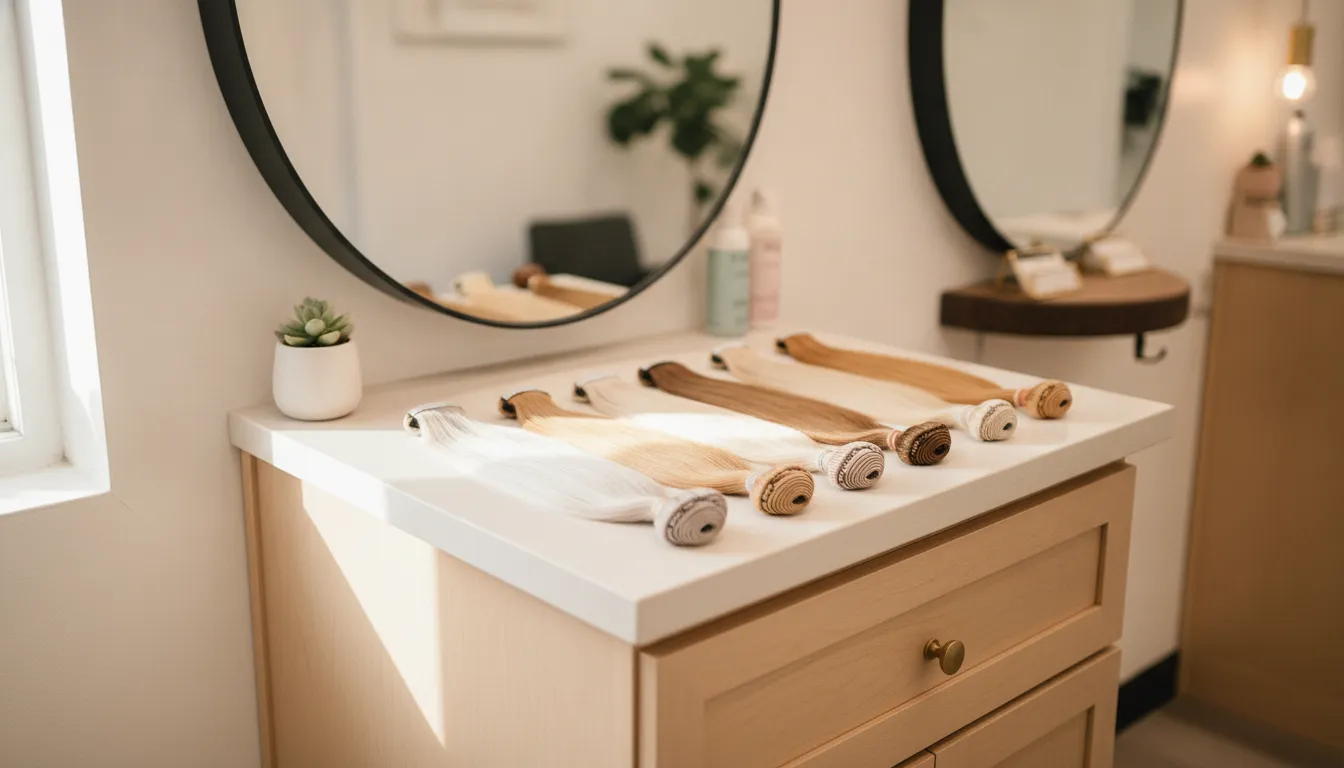
Read our Tape-In hair extensions guide for a closer look at the method, daily care considerations, and what to ask before booking.
How Are Hand-Tied Extensions Applied?
Hand-Tied extensions use a slim weft that is sewn onto a supported foundation. At Dolce Salon, the foundation is made with copper tubes and hair, and the weft is sewn into place. This row-based method is planned around your hair density, desired fullness, color, and natural movement.
1. A row-based plan
The stylist assesses the condition, length, density, texture, and movement of your natural hair. They also consider how you wear your hair and how much fullness or length you want. The goal is a balanced result, not simply adding the maximum amount of hair possible.
2. Building the foundation
Small copper tubes and natural hair create the support row. The extension weft is then sewn to that row with thread. In simple terms, the foundation provides support, the weft supplies the added hair, and the thread holds the weft in its planned position.
3. Blending for movement
Color matching and placement are part of the application plan. The stylist considers how the extension hair will look when your hair is worn straight, wavy, or styled. Placement should support natural movement and a blend that feels comfortable in your everyday hairstyles.
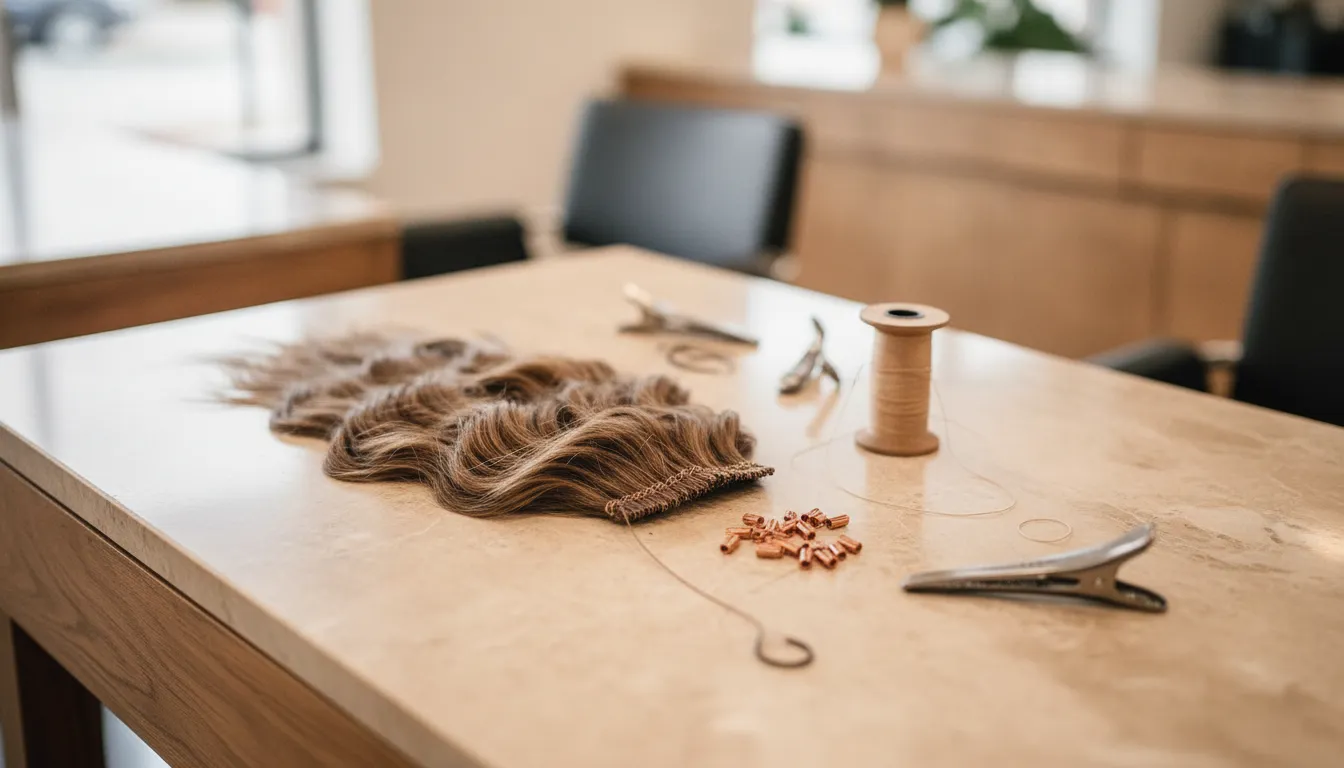
Our Hand-Tied hair extensions guide explains the construction, consultation, and planning behind this method in more detail.
Maintenance: What Does Each Method Require?
Tape-In and Hand-Tied extensions both need a maintenance plan. The difference is what your stylist evaluates and adjusts as your natural hair grows. Consistent appointments, gentle brushing, thoughtful styling, and following your stylist's home-care instructions all help you get the most from the investment.
- Tape-In:
plan around the growth of your natural hair and the condition of the adhesive attachment. Dolce Salon generally describes a 4 to 6 week wear period, followed by removal, retaping, and reinstallation when appropriate.
- Hand-Tied:
plan around row movement, hair growth, foundation comfort, and the condition of the weft. Your stylist determines the timing for adjustment based on what they see at the appointment.
- Both methods:
brush carefully, avoid pulling at attachments, use the products and drying routine recommended for your hair, and communicate promptly if an attachment feels uncomfortable.
The right schedule is personal. Hair growth, density, texture, the amount of added hair, and how often you wear your hair up can all affect maintenance. A method that looks convenient on paper may not be convenient for your routine, which is why we prefer an honest consultation first.
Schedule your Tacoma extension consultation online and bring your questions about maintenance, styling, and method fit.
Cost Comparison: Tape-In vs Hand-Tied
It is tempting to compare extension methods by looking for one universal price, but a responsible quote depends on the plan. The amount of hair, desired length and fullness, color matching, application time, maintenance needs, and stylist level can all affect the conversation. Dolce Salon uses a tiered stylist system from Junior through Senior and Master levels, which creates options for different budgets while keeping the consultation specific to your hair.
We do not recommend choosing Tape-In or Hand-Tied solely because one method appears less expensive in a general online comparison. Ask what is included in the initial application, what future maintenance involves, how often you may need to return, and whether the method can support the result you want. Dolce Salon provides a personalized quote after consultation rather than promising a one-size-fits-all number.
For a broader overview of planning and investment, start with our hair extensions guide for Tacoma. You can also review our current salon services before your visit.
Which Method Is Right for Your Hair and Lifestyle?
Tape-In may be worth discussing if you prefer a flat adhesive attachment and a shorter, clearly defined maintenance cycle. Hand-Tied may be worth discussing if you are interested in a slim weft sewn to a supported row and want the placement planned around your density and movement. Those are useful starting points, not promises about what your hair can safely support.
A consultation is especially important if your hair is fine, fragile, very short, heavily processed, or changing in condition. It is also important if you want a large change in length or fullness, wear your hair up often, or need extensions to work around frequent color appointments. Our team can talk through the four methods Dolce Salon offers and explain what fits your hair's potential.
Dolce Salon is located on 6th Avenue in Tacoma with accessible parking. We take a consultation-first approach because beautiful extensions should feel intentional, comfortable, and manageable after you leave the salon, not just impressive on appointment day.
Quick Answers About Tape-In and Hand-Tied Extensions
Is Tape-In or Hand-Tied better?
Neither method is universally better. Tape-In uses adhesive wefts, while Hand-Tied uses a sewn weft and supported row. The better fit depends on your natural hair, desired result, styling habits, comfort, and maintenance plan.
Can I choose a method without a consultation?
You can research the differences, but a professional consultation is the best way to choose responsibly. A stylist needs to assess your hair condition, density, length, color, and goals before recommending an application plan.
How often do Tape-In extensions need attention?
Dolce Salon generally describes Tape-In extensions as staying in place for about 4 to 6 weeks, depending on hair growth. The stylist then determines whether removal, retaping, and reinstallation are appropriate.
Does Hand-Tied mean the extension hair is handmade?
Hand-Tied describes the slim weft and the way it is secured to a supported row. At Dolce Salon, copper tubes and hair create the foundation, and the weft is sewn into place.
What should I bring to an extension consultation?
Bring your goals, a realistic view of your daily routine, and any questions about length, fullness, color, styling, maintenance, and budget. Photos can help communicate the result you want, while your stylist's assessment determines the safest and most practical plan.
Book online with Dolce Salon in Tacoma to compare Tape-In and Hand-Tied extensions with a professional who can recommend a plan for your hair.


Comments