

Ombre Hair Color Guide: Everything You Need to Know
Updated: 14 hours ago
Ombre Hair Color Guide: Everything You Need to Know
Ombre is a dimensional hair color technique that moves from deeper roots into lighter ends for a soft, graduated blend. This ombre hair color guide explains how the effect works, how it differs from sombre and reverse ombre, and how to prepare for your appointment.
At Dolce Salon in Tacoma, we start with an honest conversation about your hair's current condition, color history, and potential. That consultation-first approach helps us create handcrafted beautiful hair with amazing care. For broader guidance on balayage, ombre, and color techniques, begin there, then take a closer look at what makes ombre distinct.
What Is Ombre Hair Color?
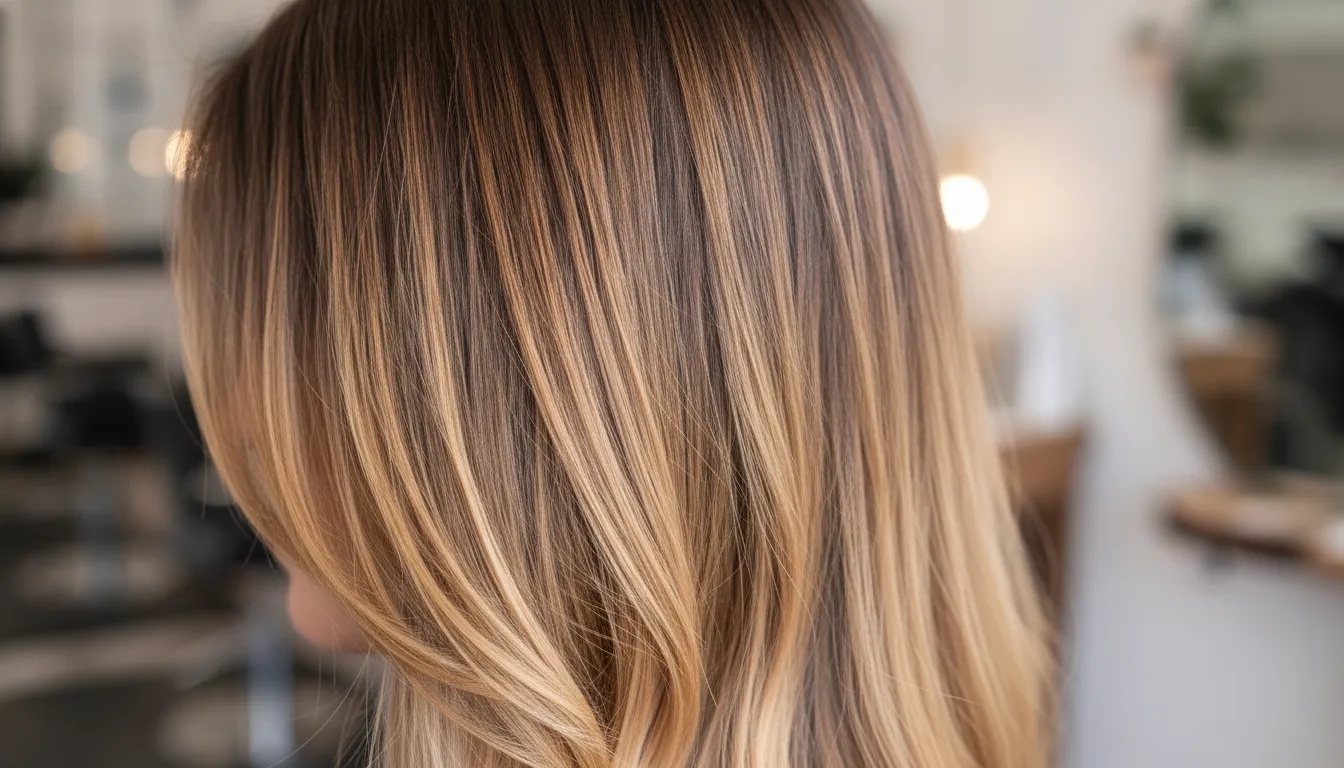
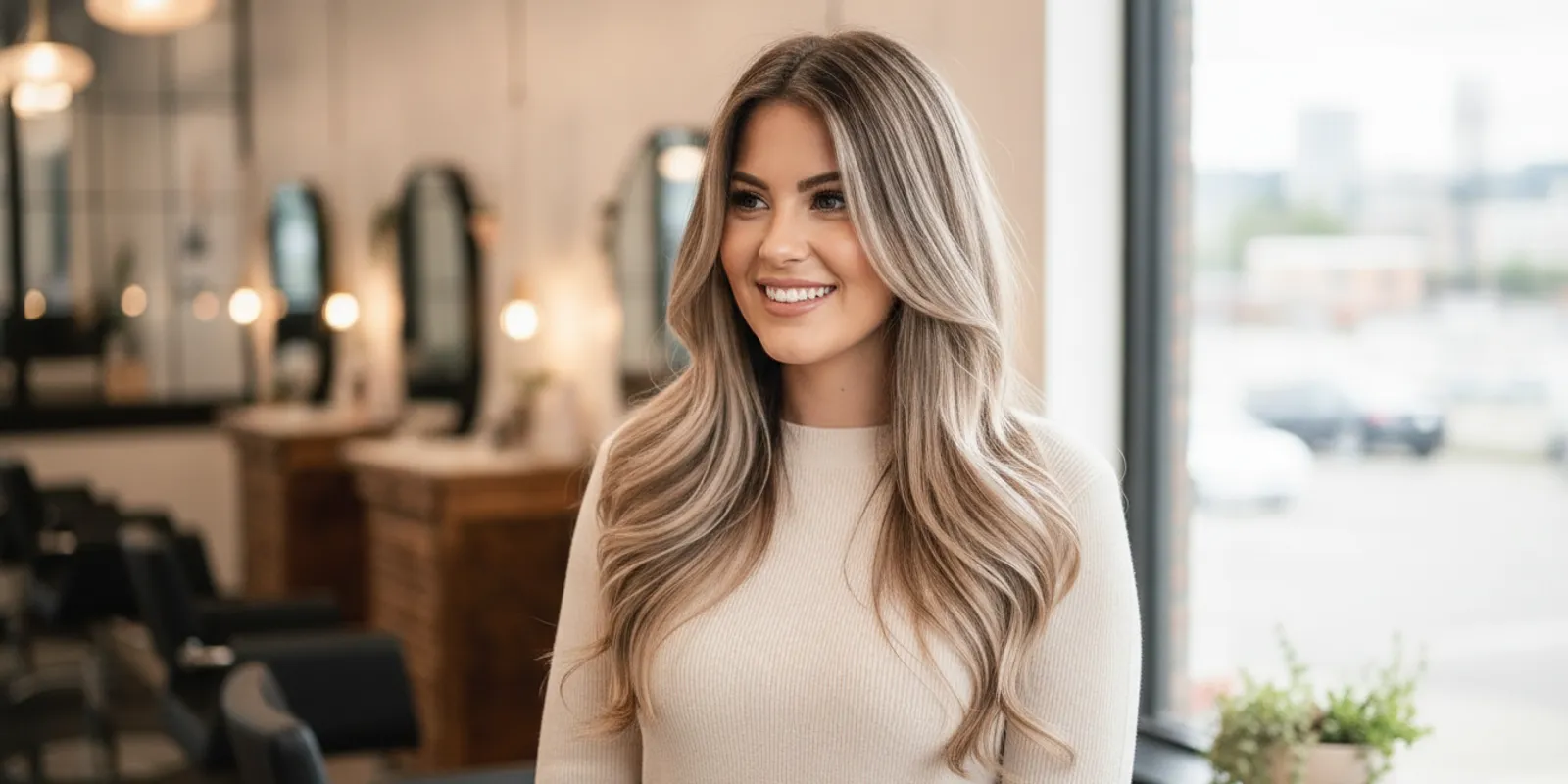
Ombre is a dimensional color technique built around a gradual shift from one shade to another. In the classic version, hair stays deeper at the roots and becomes lighter through the mid-lengths and ends, creating a smooth gradient rather than a single, uniform color. The transition often begins around the jawline, although its placement can be adjusted to suit your haircut, length, and overall look.
That gradual placement is what separates ombre from block or one-tone color. With block color, the hair reads as one consistent shade from root to tip. Ombre leaves room for contrast, movement, and light at the ends while keeping depth near the scalp. Because the design does not depend on a hard line of light at the roots, new growth blends in more naturally and the grow-out appears softer than a solid color change.
Ombre is still a chemical color service, not simply a visual effect. Hair coloring can alter the physical structure of the hair shaft and its strength, according to a review published through the National Library of Medicine. That is why an honest consultation matters before lightening, so we can review your current color history, hair condition, and realistic potential first.
Classic Ombre vs Reverse Ombre vs Sombre: What Is the Difference?
These three techniques all use intentional color placement, but they create very different impressions. The right choice depends on your starting color, the amount of contrast you enjoy, and how softly you want the shades to blend.
Technique | Direction of lightening | Who it flatters | Look |
Classic ombre | Darker roots transition to lighter ends. | Clients who want visible contrast and dimension. | Defined, graduated color with a noticeable shift. |
Reverse ombre | Lighter roots transition to darker ends. | Clients with lighter hair who want depth through the lengths. | Unexpected, dimensional color that becomes richer toward the tips. |
Sombre | A gentle lightening from the root area toward the ends. | Clients who prefer understated dimension or are new to color. | Soft, blended contrast, usually within one or two shades. |
Classic ombre generally begins with a darker root and becomes lighter toward the ends, with the shift often starting near the jawline. Reverse ombre turns the pattern around: the ends become darker instead of lighter, which suits naturally lighter hair or anyone who wants added depth through the tips. Sombre, short for soft ombre, keeps the same gradient idea but reduces the contrast, often to just one or two shades apart. There is no universal winner; the goal is the technique that fits your hair potential and the way you want to see yourself.
The Ombre Hair Color Guide to Choosing Your Ideal Blend
The right ombre blend should feel intentional from root to ends, not like a shade chosen from a chart. Your natural base gives the starting point for a convincing transition. A darker base can create beautiful contrast with caramel, honey, copper, or blonde ends, while lighter hair may suit a reverse ombre or a closer shade range. Your skin's undertone also helps guide the direction: warm undertones often harmonize with golden, beige, or copper tones, while cooler undertones pair well with ash, pearl, or neutral shades.
Think about how much contrast you want and how often you want to maintain it. A stronger transition creates a more defined look, while a softer blend makes regrowth feel less noticeable. Your haircut also matters, because the transition should frame your face and sit where your hair naturally moves. Bring a few photos that show the mood, brightness, and placement you like rather than expecting an exact copy.
How to Prepare for Your Ombre Hair Color Appointment
Begin with a consultation, especially if you are new to color, have previous color on your hair, or want a significant change. This gives us time to discuss your goals, assess your current hair, and plan the placement, tone, and maintenance before we commit to the color process. To prepare, follow a few simple steps:
Tell your stylist about recent color, lightening, chemical services, heat damage, or sensitivity, so your starting condition guides how light we can safely go.
Arrive with clean, dry hair unless your stylist tells you otherwise, and avoid heavy oils, dry shampoo, or styling wax immediately before the service.
Bring a few reference photos that show the color and depth you like, plus one image that represents what you do not want.
Ask where the transition will begin as your hair grows and how light your hair can safely become in one service, so your plan supports both your color goals and your hair's condition.
Which Hair Types Work Best with Ombre?
Ombre can be adapted to many hair types, but the most successful result depends on more than whether your hair is straight, wavy, or curly. Medium-length and long hair generally give the transition enough room to develop gradually, keeping depth near the roots with a more extended blend before brighter ends. Straight and softly wavy hair make the color movement easy to see. Curly and coily textures can also wear ombre beautifully, with the color appearing in ribbons or illuminated sections rather than one continuous sweep.
Your current color changes the plan. If your natural hair is already lighter, a reverse ombre may be worth discussing. Previously colored, highlighted, or fragile hair needs a more conservative approach, because chemical color can alter the hair shaft and its properties. If you are deciding between a stronger gradient and a softer, hand-painted effect, our Balayage vs Ombre Difference guide can help you compare the overall look.
How Long Does Ombre Color Last?
Ombre is one of the more forgiving color choices because the design already includes a gradual transition from darker roots to lighter ends. As your natural hair grows, that blend softens rather than creating a sharp re-growth line, so for many clients the look can stay attractive for several months. Exact timing depends on your starting color, how light the ends are, how quickly your hair grows, and how often you wash it.
The ends are typically the lightest and most processed part of the style, so they can lose tone or feel dry before the root area needs attention. Follow your stylist's aftercare plan, use products chosen for color-treated hair, and schedule a refresh before a full transformation. Protect the lighter ends with gentle handling and heat protection. Depending on your plan, this may include a toner or root shadow to restore tone or soften unwanted warmth.
Frequently Asked Questions
What is the difference between ombre and balayage?
Ombre creates a deliberate gradient, usually moving from a deeper root into lighter ends, while balayage uses hand-painted highlights for a more scattered, dimensional effect. The best choice depends on how much contrast and brightness you want, your current color, and how you prefer your grow-out to look. Our Tacoma team can compare both options during a consultation.
What hair color is best for ombre hair?
The best shade is the one that complements your natural color, skin tone, and desired level of contrast. Classic ombre pairs a darker root with lighter ends, sombre creates a softer transition about one to two shades apart, and reverse ombre places the darker shade at the ends for naturally lighter hair.
How is ombre hair color applied?
A stylist plans the transition point and selects shades that blend with your starting color, then lightens or deposits color through the lengths and ends to create a gradual finish. Because chemical coloring can alter the structure of the hair shaft, a professional consultation should assess your hair's condition first.
How long does ombre hair color last?
Ombre often grows out softly because the roots remain closer to your natural shade, but the lightened ends still need appropriate aftercare. Your stylist can recommend a maintenance schedule and products based on your hair and color formula.
Book Your Ombre Consultation in Tacoma
Our consultation-first approach gives you space to discuss your color goals, the blend you want, your maintenance expectations, and how light your hair can safely go. Whether you are trying ombre for the first time or refreshing a look you already love, our team on 6th Avenue in Tacoma is here to help. You can meet our stylists, explore our professional hair color services, and see our ombre transformations before your visit.
When you are ready to explore ombre hair color with our team at Dolce Salon, book your consultation online through Vagaro or call us at (253) 272-0378. We look forward to helping you find a blend that feels intentional, flattering, and entirely your own.
Comments