

Do Hair Extensions Damage Your Hair? The Honest Answer
If you are wondering, "do hair extensions damage your hair," the honest answer is that they can, but they do not have to. Damage is more likely when extensions add too much weight or tension, stay in past the recommended maintenance point, or are applied and removed roughly. The right method, a realistic amount of hair, and a professional plan make a meaningful difference.
Book a hair extension consultation with Dolce Salon in Tacoma to talk through your hair goals, current condition, and the method that fits your everyday life.
Can Hair Extensions Cause Damage?
Yes, hair extensions can cause breakage, scalp discomfort, or hair loss when the natural hair is exposed to excessive tension, weight, heat, adhesive, or rough removal. They are not automatically damaging. The risk depends on the attachment method, placement, amount of added hair, maintenance, removal, and the condition of your natural hair before application.
Extensions attach extra hair to your existing strands, so the attachment area carries a load it would not otherwise carry. If that load is too heavy for the section supporting it, the hair can become stressed. Repeated pulling may also irritate the scalp and contribute to traction alopecia, a form of hair loss associated with prolonged or repetitive tension.
The American Academy of Dermatology's guidance on weaves and extensions advises paying attention to pain and other signs that a style is too tight. The National Library of Medicine's clinical overview of traction alopecia also identifies extensions among styling practices that can place prolonged tension on hair. These sources are useful reminders that comfort is not something to ignore for the sake of a longer-lasting style.
Most extension problems are preventable when the plan starts with the natural hair, not only the desired result. A stylist should consider density, strand diameter, texture, previous color or chemical services, scalp sensitivity, lifestyle, and how much length or fullness you actually need. Sometimes the healthiest answer is a smaller amount of hair, a different placement, a different method, or waiting while the natural hair recovers.
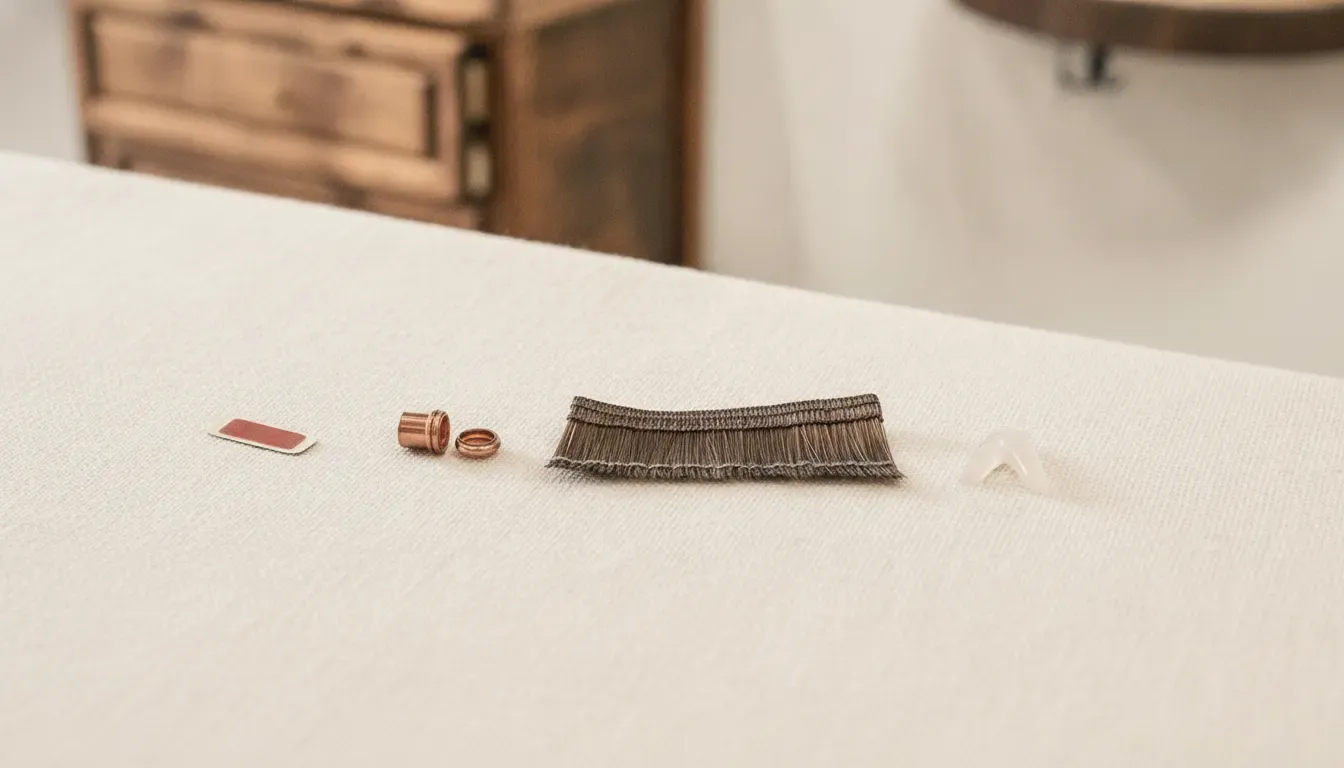
Different attachment systems place different demands on the natural hair, so method selection should be personalized.
Which Extension Methods Are Safest for Hair Health?
There is no single safest hair extension method for every person. Tape-In, Cold Fusion, Handtied, and Hot Fusion extensions each have different attachment systems and maintenance needs. The safest choice is the one that can be supported by your natural hair, placed with appropriate tension, maintained on schedule, and removed without unnecessary pulling.
Dolce Salon offers four extension methods. The following comparison is intentionally about hair-health considerations, not a promise that one method is risk-free:
Method | What Dolce Salon describes | Health questions to ask |
Tape-In | Flat extension pieces are sandwiched together and generally stay in about 4 to 6 weeks, depending on growth. They may be removed, retaped, and reapplied two or three times. | Can the natural hair support the panels? Are the sections large enough to distribute weight without pulling? |
Cold Fusion | Hair is connected with copper tubes that have a silicone lining. The method generally stays in about 2 to 3 months, and the hair is usually not reused. | Will the attachment placement stay comfortable as the hair grows? Can it be removed gently without tugging? |
Handtied | A foundation made with copper tubes and natural hair supports a sewn weft. Dolce Salon describes an approximately 8-week wear period before removal and redoing. | Is the foundation balanced and comfortable? Is the weft amount appropriate for the density supporting it? |
Hot Fusion | The extension tip is applied to the natural hair with keratin adhesive and generally lasts about 2 to 3 months. The hair is not reusable. | Is the hair strong enough for the attachment? Will heat, adhesive, and removal be handled carefully? |
The best method for you may not be the method that lasts the longest. Longer wear can be convenient, but it also means the attachment remains part of your routine through growth, washing, brushing, sleeping, and styling. A method that looks beautiful on day one still needs to feel comfortable and remain manageable several weeks later.
If your hair is fine or low in density, you may need especially careful planning around weight and placement. Our related guide to hair extensions for fine or thin hair goes deeper into that narrower selection question. This article's focus is the broader safety question: what creates risk and what should make you pause?
Schedule a consultation at our 6th Avenue salon if you want help comparing methods in person. Dolce Salon uses a consultation-first process to assess your hair, color match, goals, and maintenance expectations before recommending an extension appointment.
How to Tell If Your Extensions Are Causing Damage
Early warning signs include persistent soreness, headache, pulling, itching, redness, visible breakage, thinning near attachment areas, or difficulty brushing without catching and tugging. Extensions should not require you to tolerate ongoing pain. If a symptom is new, worsening, or continues after removal, pause extension wear and seek guidance from a qualified healthcare professional.
A little adjustment period is not a reason to dismiss significant discomfort. Your scalp and natural hair are giving you useful information. Look for changes such as:
Scalp pain, tenderness, or a recurring headache after installation.
Redness, swelling, itching, flaking, or irritation around attachment points.
Short broken hairs or new flyaways concentrated near an attachment.
More shedding than usual when brushing or washing.
Thinning at the temples, hairline, or other areas carrying repeated tension.
Attachments that feel heavy, tight, painful, or difficult to move naturally.
Matting that makes gentle brushing or removal difficult.
Breakage after removal that is not explained by normal shedding.
These signs do not identify the cause by themselves. Hair loss and scalp irritation can have many causes, and a salon cannot diagnose a medical condition. If you notice visible thinning, persistent inflammation, sores, or sudden shedding, stop adding tension and consult a dermatologist. Earlier attention is generally more protective than waiting for a problem to become severe.
How a Proper Consultation Protects Your Hair
A proper consultation reduces avoidable risk by matching the extension method, amount, placement, and maintenance plan to your actual hair. It also creates a clear plan for removal and reinstallation. At Dolce Salon in Tacoma, the conversation begins with your goals and hair potential, not a one-size-fits-all attachment choice.
A useful consultation should cover:
- Your starting point:
density, strand texture, current length, scalp comfort, and the condition of your ends.
- Your history:
recent lightening, color correction, chemical services, breakage, shedding, or sensitivity to adhesive.
- Your goal:
length, fullness, blending, or a combination, along with how much added hair is realistic.
- Your routine:
exercise, swimming, heat styling, sleep habits, brushing habits, and the time you can give to maintenance.
- Your schedule:
when the method needs to be checked, moved, retaped, or removed.
- Your exit plan:
how the extensions will be removed and what the stylist will look for before continuing.
Dolce Salon's Tacoma hair extensions guide explains the four methods, consultation process, and broader planning considerations. Use it as a companion to this safety-focused article rather than as a replacement for an in-person assessment. Your hair may need a different plan from another client's, even when the desired look is similar.
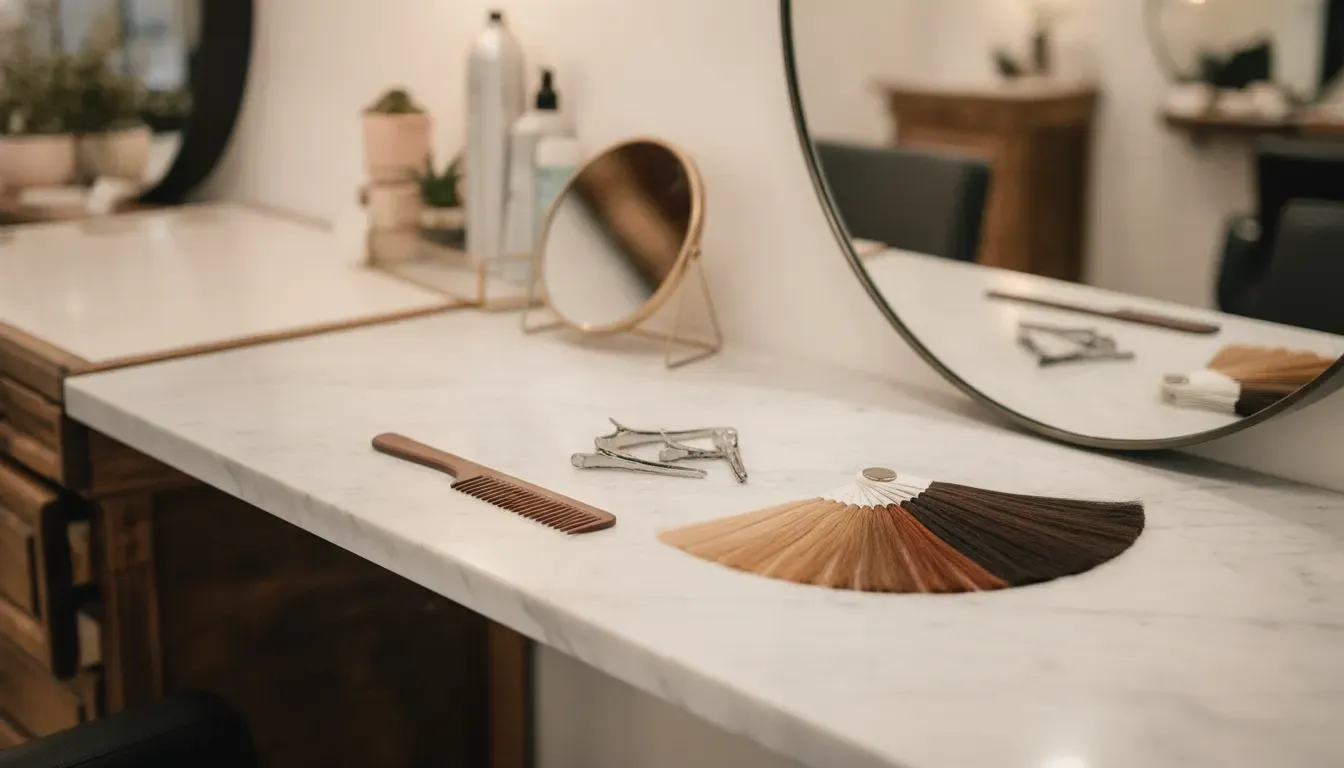
A careful consultation considers color match, natural hair condition, lifestyle, and the plan for future maintenance.
Signs You Should Take a Break from Extensions
Take a break when your hair or scalp is painful, irritated, visibly thinning, or breaking around the attachment areas. A break is also sensible when you cannot keep up with scheduled maintenance or gentle home care. Removing the added tension gives you time to assess your natural hair and decide whether a lighter or different plan is appropriate later.
Taking a break does not mean you can never wear extensions again. It means the current plan needs an honest review. Ask whether the amount of hair was too much, whether the placement was too close to the hairline, whether the maintenance interval was missed, or whether the removal process caused unnecessary stress. The answer may be a smaller installation, a different method, more time between appointments, or no extensions until a professional has assessed the condition of your hair.
At home, be gentle. Avoid pulling at attachments, picking at adhesive, or attempting to remove a bonded or sewn method without professional guidance. Use the maintenance instructions your stylist provides, and do not cover persistent pain with more styling or tight ponytails. For a broader routine, see our guide to caring for hair extensions.
If you are comparing costs as part of your decision, our hair extension cost guide explains why quotes depend on the method, amount of hair, service time, and your individual plan. A lower initial quote is not a safer choice if the method is not suitable for your natural hair.
Book your Dolce Salon consultation online and bring your questions about comfort, method choice, maintenance, and removal. We are located on 6th Avenue in Tacoma with accessible parking and a team that believes in honest consultations about your hair's potential.
FAQ: Hair Extensions and Hair Health
Hair extensions can be worn responsibly when the method and amount are matched to the natural hair and maintained professionally. The most important questions are whether the attachment feels comfortable, whether the hair can support it, whether maintenance is on schedule, and whether any warning signs are being addressed early.
Can hair extensions cause permanent hair loss?
Long-term or repeated tension can contribute to traction alopecia, which may become permanent when follicular damage progresses. Pain, thinning, and breakage should be treated as reasons to remove tension and seek professional or medical guidance rather than symptoms to push through.
What is the least damaging type of hair extension?
There is no universally least damaging method. Tape-In, Cold Fusion, Handtied, and Hot Fusion extensions place different demands on the hair. The safest choice depends on your density, strand condition, goals, lifestyle, and the skill of the person applying and removing them.
Should extensions hurt after they are installed?
Persistent pain, headache, strong pulling, or scalp irritation is not a healthy maintenance plan. Contact the salon that installed the extensions for an assessment. If symptoms continue or you notice thinning, consult a dermatologist.
How often should I take a break from hair extensions?
There is no single schedule for every client. Your stylist should evaluate your natural hair at maintenance and removal appointments. Take a break whenever your hair is breaking, thinning, irritated, or unable to support the planned attachment comfortably.
Can I remove hair extensions at home?
Temporary options may have their own removal instructions, but bonded, taped, beaded, and sewn methods should be removed by a trained professional. Pulling, cutting, or dissolving an attachment incorrectly can cause avoidable breakage.
Bottom line: Hair extensions are meant to enhance your hair, not compete with its health. If you are considering extensions in Tacoma, start with an honest consultation, choose a method that your natural hair can support, and treat comfort and early warning signs as non-negotiable parts of the plan.


Comments