

Cold Fusion Hair Extensions Explained
If you have been searching for cold fusion hair extensions explained in plain language, the key idea is simple: this method adds length or volume using small copper tubes with silicone lining instead of heat-based bonding. That difference can make cold fusion worth discussing when you want a longer-wear extension method but also want to be thoughtful about your natural hair, daily routine, and maintenance plan.
What are cold fusion hair extensions?
Cold fusion hair extensions attach individual extension pieces to sections of natural hair with small copper tubes. The silicone lining helps create a protective barrier between the tube and the hair. Because the attachment does not rely on hot keratin adhesive, the method is often described as a heat-free or cold attachment option.
At Dolce Salon, cold fusion extensions are listed as a method that typically stays in the hair for about two to three months. The extension hair is usually not reused, so your consultation should cover the complete plan: the hair needed, the attachment method, the expected maintenance timing, and how future appointments will work.
Cold fusion is not a one-size-fits-all solution. The right result depends on the amount and condition of your natural hair, your desired length and fullness, your color match, and how you plan to wear and care for the extensions. A professional application and a realistic plan matter just as much as the attachment itself.
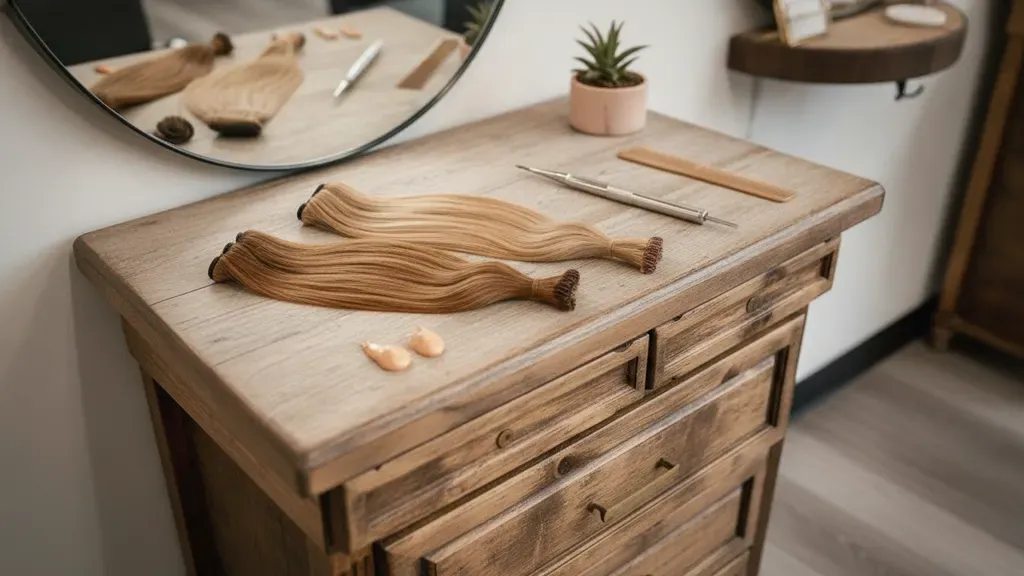
A consultation helps match the extension hair, attachment method, and maintenance plan to your goals.
How is cold fusion different from hot fusion?
Both methods attach individual extension pieces and can create length, fullness, and movement. The main difference is the attachment material and application approach:
- Cold fusion:
uses copper tubes with silicone lining and does not use heat for the attachment.
- Hot fusion:
uses a keratin adhesive applied with heat.
Dolce Salon lists both cold fusion and hot fusion among its four extension methods, along with Tape-In and Handtied extensions. The best choice is not automatically the method with the most appealing name. It should reflect your natural hair, styling habits, comfort preferences, desired result, and willingness to return for maintenance.
Cold fusion may appeal to someone who wants to avoid heat at the point of attachment. Hot fusion may suit someone whose goals and hair characteristics align with a keratin-bonded method. Neither comparison should be reduced to "safe" versus "unsafe." Incorrect placement, excessive weight, poor maintenance, or extensions that are left in too long can put stress on natural hair regardless of the method.
For a broader look at the four methods, start with Dolce Salon's hair extensions guide for Tacoma clients. This article focuses only on the cold fusion decision so you can bring more specific questions to your consultation.
Who is cold fusion best for?
Cold fusion may be worth considering if you want individual strands rather than a weft or tape attachment, prefer a heat-free attachment, and are comfortable planning for maintenance every two to three months. It can be a good conversation starter for clients who want more length or fullness while keeping the attachment small and discreet.
A good candidate is not defined by one hair color or texture. During a consultation, your stylist should look at:
Natural hair density and strength around the areas where extensions would be placed.
Current breakage, shedding, chemical processing, or scalp sensitivity.
Desired length, volume, color, and how seamlessly the extension hair needs to blend.
How often you wash, exercise, heat-style, or wear your hair up.
Whether you can follow the recommended home-care and maintenance schedule.
If your hair is actively breaking, feels unusually fragile, or your scalp is irritated, say so before booking an installation. A consultation may lead to a different method, a smaller goal, a conditioning plan, or a recommendation to wait. Honest guidance protects the result and keeps expectations realistic.
Does cold fusion damage your hair?
No extension method can promise zero risk. Cold fusion avoids heat at the attachment point, but the extension still adds weight and tension to natural hair. The application must be properly sized and placed, and the finished attachments should feel comfortable. Pain, a persistent headache, strong pulling, or tenderness is not something to ignore.
The American Academy of Dermatology advises having extensions fitted by a professional and notes that a painful or overly tight style can contribute to traction alopecia, a form of hair loss caused by repeated pulling. The AAD guide to preventing hair damage from weaves and extensions also recommends caring for the natural hair, keeping the scalp clean, protecting fragile edges, and giving hair a break between periods of wear.
Traction alopecia is a medical condition related to prolonged pulling on hair roots. The National Library of Medicine's StatPearls overview explains that early traction-related hair loss may be reversible, while long-term traction can cause permanent follicle damage. This is why a gentle method still requires a careful application, regular maintenance, and attention to how your scalp and hair feel.
Cold fusion can reduce heat exposure compared with hot fusion, but that is only one part of hair health. The quality of the consultation, the amount of hair used, the placement, the maintenance timing, and your home care all affect the experience.
What should you expect at a cold fusion consultation?
First-time extension clients at Dolce Salon begin with a consultation before booking the full extension appointment. That step gives your stylist time to assess candidacy, discuss the look you want, color match the extension hair, determine the amount needed, and explain the maintenance plan. It also allows the salon to order the correct hair before the installation visit.
Bring clear goals rather than one fixed assumption. You may want length, fullness through the sides, a fuller ponytail, or a blended color effect. Your stylist can explain what cold fusion can realistically achieve in one appointment and whether another of Dolce's four extension methods would better match your hair and lifestyle.
Dolce Salon uses a tiered stylist system, with options ranging from Junior levels through Master stylists. Extension pricing is provided after consultation because the final plan depends on the method, hair quantity, color matching, and the work involved. A consultation quote is more useful than a generic online number that may not reflect your hair.
How do you care for cold fusion extensions?
Your stylist will give you method-specific instructions, but these habits support a comfortable extension routine:
- Brush gently.
Work from the ends upward and use the brush or comb recommended for your extensions. Avoid yanking through tangles.
- Keep attachments in mind.
Cleanse the scalp and roots as directed, and avoid rough scrubbing or pulling at the tubes.
- Use heat thoughtfully.
Protect the hair before heat styling and keep direct high heat away from the attachment area unless your stylist says otherwise.
- Dry thoroughly.
Do not leave the roots damp for long periods. Ask your stylist how to dry your hair without disturbing the attachments.
- Sleep with less friction.
Follow your salon's recommendation for securing the hair before bed, especially if you have longer extensions.
- Schedule maintenance on time.
Do not wait for attachments to become uncomfortable, heavily grown out, or difficult to manage.
Care is part of the investment. If you notice unusual soreness, increased tangling near an attachment, breakage, or changes around your hairline, contact your stylist promptly. If you have signs of scalp inflammation or hair loss, a medical professional can help evaluate the cause.
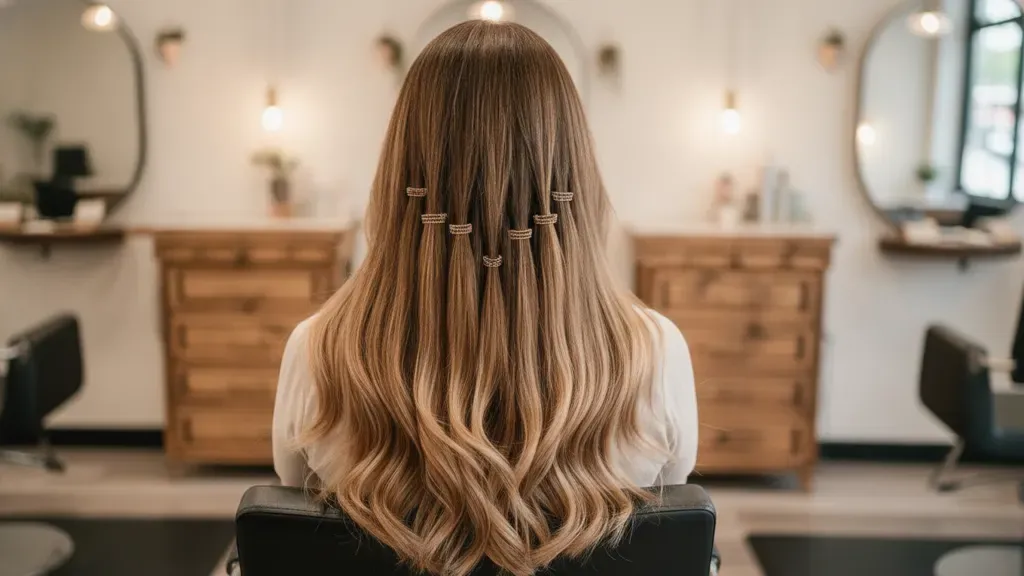
The goal is a comfortable blend that works with your real routine, not just a result that looks good on day one.
How to find a cold fusion specialist near you in Tacoma
Look for a salon that starts with a real consultation instead of treating every extension request the same way. Ask who will assess your hair, how the method is selected, what maintenance interval is expected, how the hair is ordered, and what to do if the attachment feels too tight. Clear answers are a sign that the salon is thinking about the full experience, not just the installation.
At Dolce Salon, our team is located on 6th Avenue in Tacoma with convenient parking. We believe in honest consultations about what your hair can achieve, personalized method selection, and a welcoming experience from the first conversation. You can also learn more about our team on the Dolce Salon team page.
Cold fusion hair extensions may be a thoughtful option when you want individual extensions, no heat at the attachment point, and a two-to-three-month maintenance rhythm. The right next step is not guessing from a photo or choosing a method by name. It is a consultation that considers your natural hair, your desired result, and the routine you can comfortably maintain.


Comments