

Fine Hair Shape: How a Hair Cut Tacoma Stylist Can Add Movement
Fine hair can feel soft and light, yet the outline may look flatter than you want when the shape, length, or styling routine are not working together. If you are considering a hair cut Tacoma appointment, start by describing the result you want—more movement, a clearer shape, or an easier morning routine—rather than choosing a haircut name before a stylist has seen your hair.
What does “more shape” mean for fine hair?
“Fine” describes the diameter of individual strands, not how much hair you have overall. Someone can have fine strands and a lot of them, or fine strands with less overall density. That difference affects how an outline may look and feel. A stylist can consider your density, natural texture, length, growth patterns, and the way you usually wear your hair before suggesting a change.
Shape can mean several things. You may want the ends to look more defined, front pieces to frame your face, or the lengths to move instead of falling as one solid curtain. You may also want a cut that still looks comfortable when you air-dry it. These are different goals, so begin with what you notice about your current hair and what you hope will change.
A haircut can change the silhouette and how the hair sits; it cannot make every head of hair behave like a reference photo. Your texture, density, and styling habits matter. Treat “more movement” as a shared description to explore with a stylist, not a promise that one technique produces the same result for everyone.
Which haircut details should you discuss with a Tacoma stylist?
Bring two or three reference images and identify what you like in each. One may show a length you prefer; another may show a front shape or the way the ends fall. Explain what you would not want copied, too. That helps the stylist separate the detail you like from other features that may not suit your hair or routine.
1. Length and the outline
Say how much length you are comfortable removing and what you want the ends to look like. A defined perimeter can give the silhouette a clearer edge, while a softer edge may look less structured. Neither is automatically right for fine hair. The choice depends on your current density, the condition of the ends, the outline you prefer, and how you style your hair.
If you are uncertain about a big change, ask what a smaller adjustment could do first. You might refresh the ends, keep most of the length, and revisit additional shaping at a later appointment. A staged plan lets you see how the hair settles into the new outline before making a larger commitment.
2. Layers and face-framing pieces
Layers affect how hair falls, but their placement and amount matter. Ask where shorter pieces would begin, how they would blend into the rest, and whether they would need to be styled separately. Face-framing sections can change the shape around the front; layers through the interior can affect the lengths. These are options to discuss, not automatic recommendations.
Use real examples from your routine: “I like softness around my face, but I tuck my hair behind my ears,” or “I want the ends to move, but I do not want to use a round brush every day.” These details help the stylist think through how the proposed shape might work outside the salon.
3. Styling effort and daily habits
Explain whether you air-dry, blow-dry, use hot tools, or usually leave your hair alone. A shape that looks polished after a salon finish may take more effort than you want to repeat. Ask what a normal day could look like with the suggested cut and whether it can still work when you do not style it.
Also mention practical constraints. Do you wear a ponytail often? Do you keep the same part? Are you trying to reduce daily heat styling? Sharing those details early makes it easier to discuss a haircut that fits your life rather than only a styled photograph.
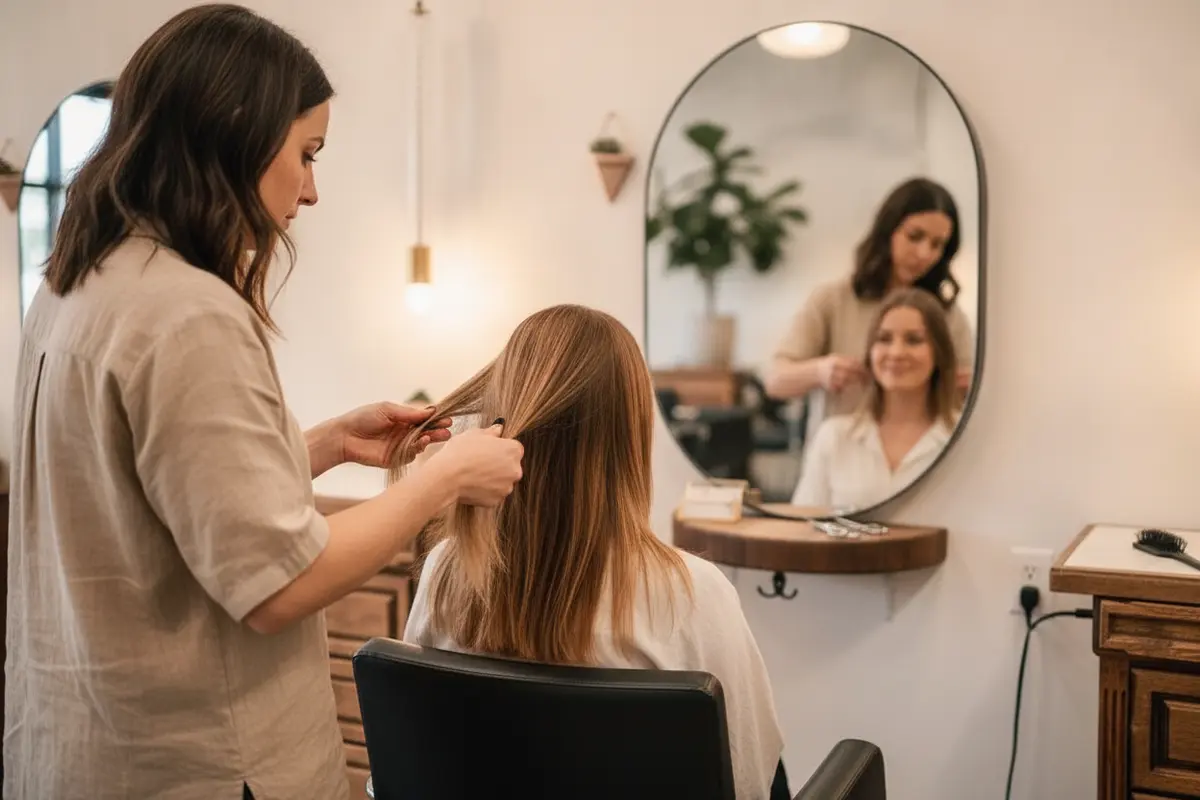
How do common shape choices compare?
Use this table as a conversation guide, not a formula. Ask how each option could translate to your particular density, texture, length, and routine before deciding.
Shape option | What to consider | Question to ask |
Defined perimeter | How much length to keep and whether you want a crisp or softer edge | Would this outline suit my density and the length I want to keep? |
Light face framing | Where the shortest front pieces begin and how they blend | Will these pieces work with my part and how I wear my hair? |
Layered shape | Layer placement, visible separation, and home styling needs | How might these layers sit when I air-dry? |
Minimal reshaping | Refreshing the ends while keeping a similar overall silhouette | Could we make a subtle adjustment and review the shape later? |
How can you choose a practical starting point?
Turn a general wish into a priority the stylist can respond to. For example, if your main concern is ends that look wispy, say that preserving a fuller-looking outline matters more than adding visible layers. If you mainly want the front to feel softer, explain that you want to keep the back length and ask about a small face-framing change. If you want movement but rarely style your hair, make low effort the priority and ask which options are likely to behave well with your usual routine.
When two goals compete, rank them. Keeping length, adding shape, tying the hair back, and minimizing styling can all be important, but a single plan may not maximize every one. Tell the stylist which goal comes first and which compromises you could accept. A clear priority makes the conversation more useful than asking for “more volume” without saying what you are willing to change.
Before approving a significant change, ask the stylist to describe the planned shape in plain language. Confirm where the shortest pieces will sit, how much length will come off, and which parts of the plan are optional. If you are still unsure, say so. Honest guidance about what a cut may achieve is more useful than treating an inspiration image as a guarantee.
What should you bring to a fine-hair haircut appointment?
A little preparation can make the consultation more focused. Gather a few details before you arrive:
- Reference photos:
Bring two or three examples that show the shape or details you like. If the person in the photo has a different length or texture, point that out and ask what can be adapted.
- Your routine:
Describe how you dry your hair, how often you style it, and how much time you want to spend. There is no correct answer; the aim is to choose a plan that fits your habits.
- Your non-negotiables:
Decide what matters most. It could be keeping length, tying your hair back, changing the front, or avoiding a high-maintenance routine.
- Recent changes:
Mention recent cuts or color services and what worked or did not. If you have concerns such as breakage or scalp irritation, raise them before cutting or styling begins.
Dolce describes its first visit as consultation-first, with a conversation about goals, lifestyle, and maintenance before a customized plan is chosen. Review the new-client information ahead of time, then bring questions about the haircut you have in mind.
How does a consultation turn an idea into a cut plan?
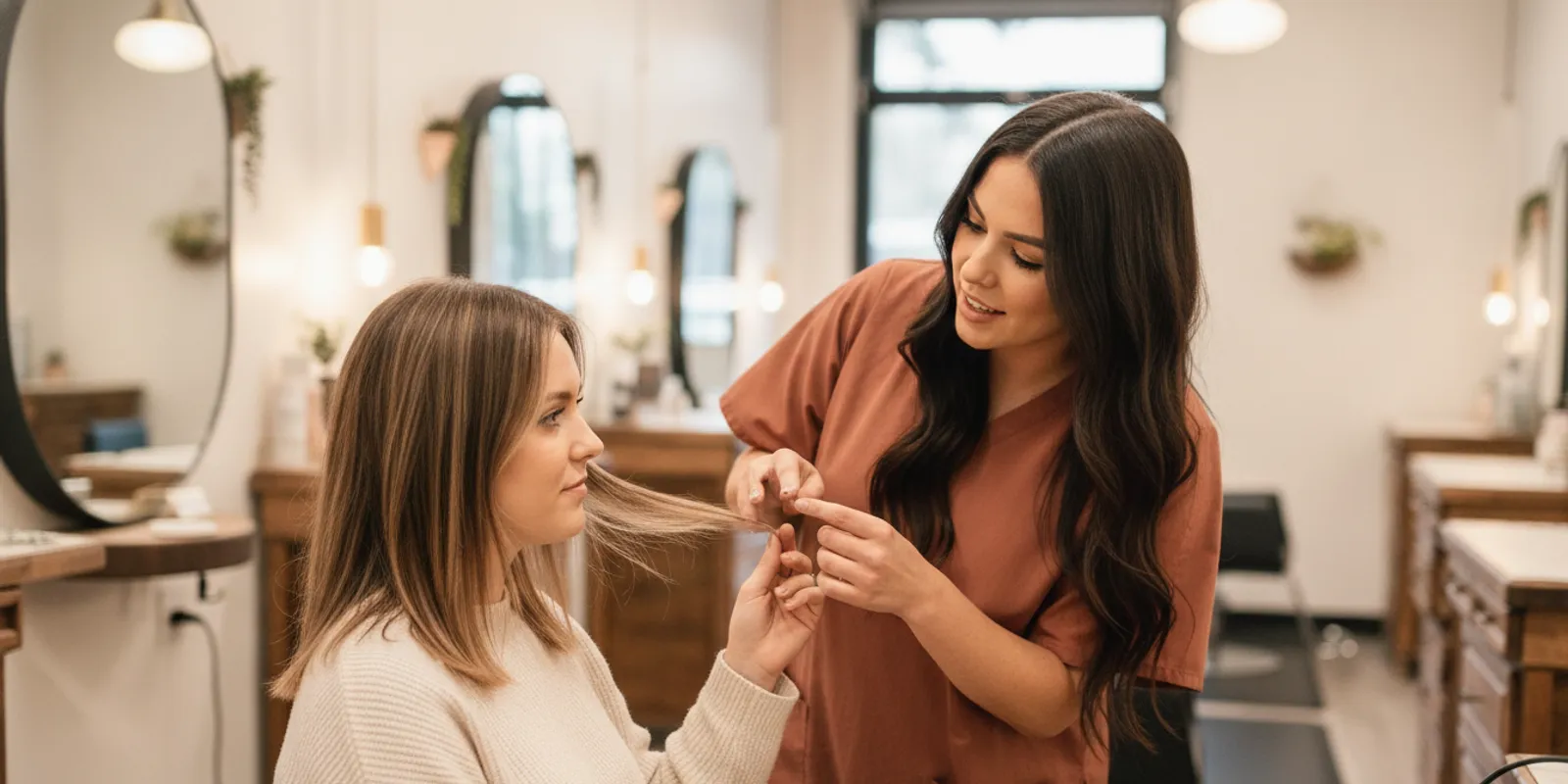
Start with a simple sentence about your goal: “I want my fine hair to feel less flat, but I want to keep most of my length.” Add what your mornings look like and what you want to avoid. Your stylist can then ask about your natural texture, how your hair responds to styling, and which details in your reference images matter most.
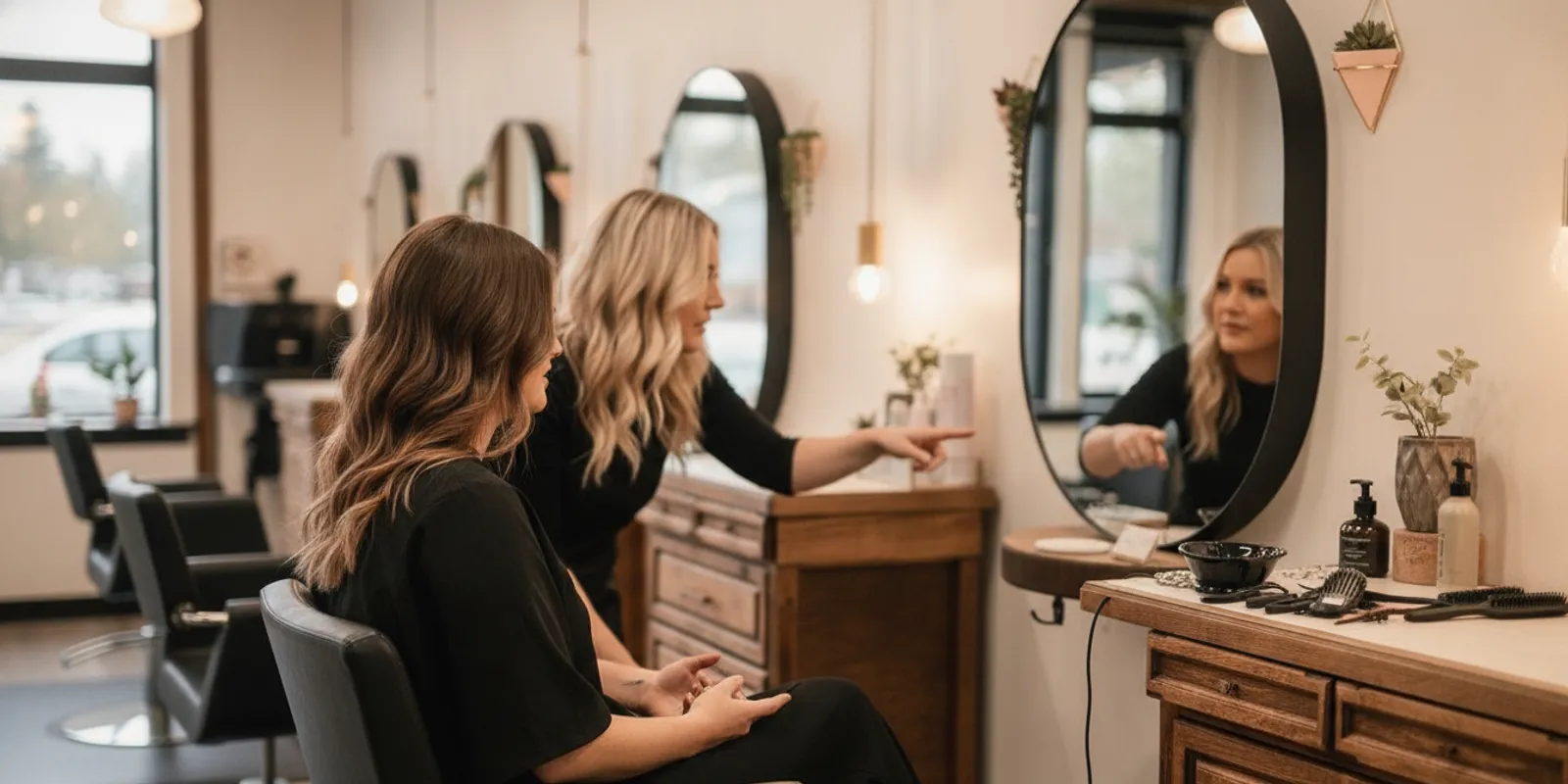
Next, talk through the proposed outline and the trade-offs. Ask what will change around your face, how the ends will be shaped, and what the cut may ask of you at home. You can also discuss whether a subtle first step would be preferable to a larger change. The point is to understand the plan before cutting begins and to leave room for your feedback.
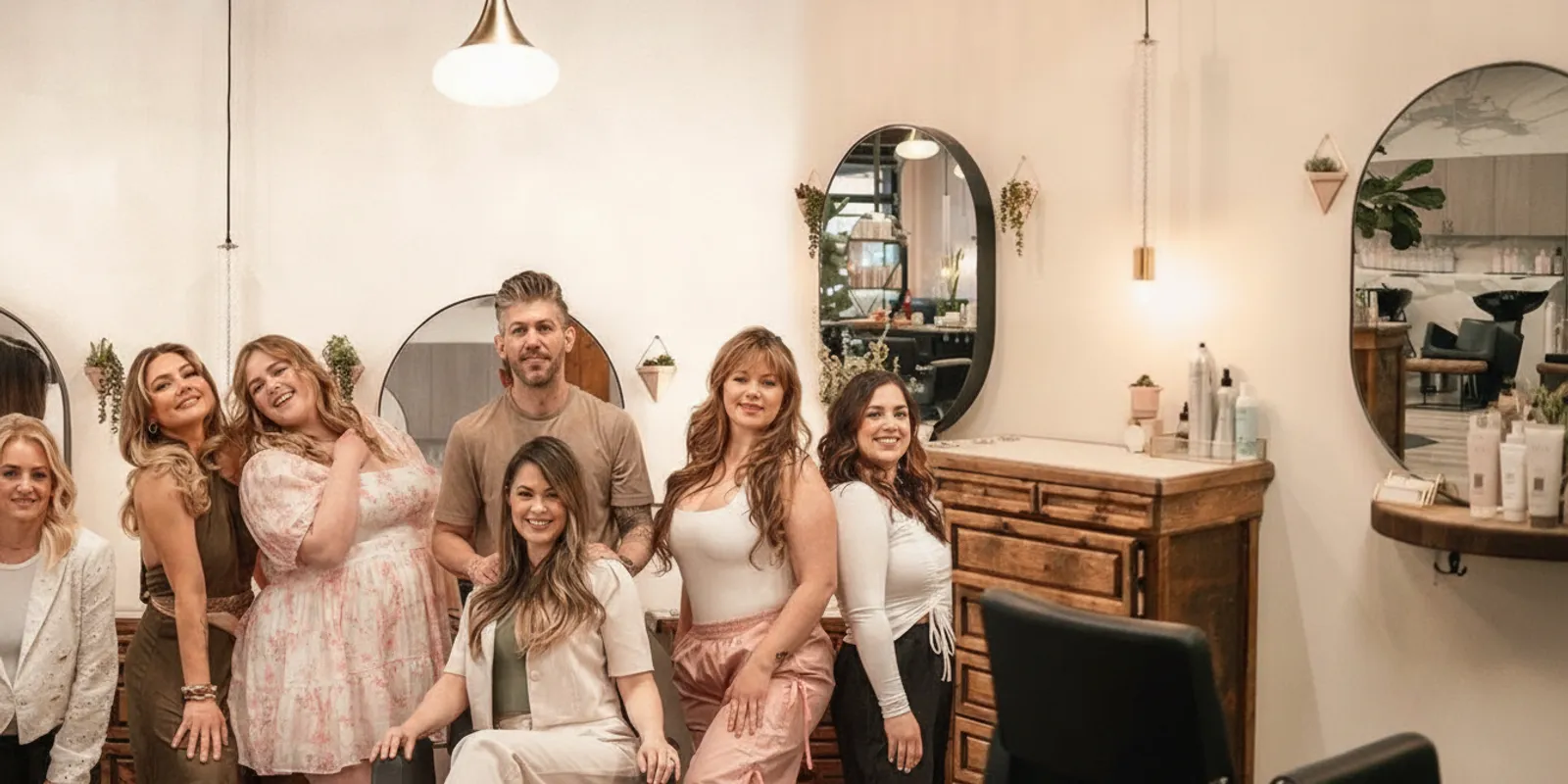
You can learn more about the salon’s team through its stylist profiles and look at the hair gallery for visual examples. A photo cannot show the starting condition, texture, density, or styling routine behind a finished look, so use it to describe details you like rather than as a guaranteed result.
For general hair and scalp information, the American Academy of Dermatology is a professional resource. If you have a specific scalp or hair-health concern, bring it up with an appropriate health professional; a haircut consultation is focused on shape, styling, and your preferences.
Frequently asked questions
Will layers always make fine hair look fuller?
No. Layer placement may change movement and the outline, but the result depends on your density, texture, length, and styling. Ask the stylist how a specific plan may look on your hair and what upkeep it could involve.
Should I cut my hair short to make it look thicker?
Not necessarily. A shorter length changes the silhouette, but the right length depends on your preferences and how your hair falls. Discuss how much length you are willing to remove and the outline you want before deciding.
Can I ask for movement without knowing haircut terms?
Yes. Use everyday descriptions, show reference photos, and explain what you like or dislike about your current shape. Your stylist can translate those goals into options and talk through their trade-offs.
What if I want a low-maintenance haircut?
Say so at the start. Explain how often you style your hair and whether you want it to work with air-drying or minimal effort. Ask what upkeep the proposed shape may involve, then choose a plan that feels manageable.
Make your first conversation useful
The best starting point is a clear picture of your goals, your routine, and the amount of change you feel ready to make. If you are looking for Tacoma haircut options, share those details with your stylist and ask for a shape plan that makes sense for your hair and everyday life.
Comments