

What Is Deposit-Only Hair Color in Tacoma? What to Ask Before Booking
If you are searching for hair color deposit only Tacoma, you may want to refresh or deepen your shade without making your hair lighter. The phrase describes a color goal, not a guaranteed formula or one specific service. The right option depends on your starting shade, previous color, hair condition, and the result you want. A useful first step is to describe that result in plain language and ask what your hair can reasonably achieve.
What does deposit-only hair color mean?
In everyday salon conversation, deposit-only usually means adding pigment or tone without intentionally lifting the natural base. Someone might use the phrase when they want to make a shade look richer, refresh faded color, or shift its tone. It does not identify a particular product, formula, or outcome. A stylist needs to consider your starting point and color history before recommending a service.
You may hear related terms such as gloss, toner, root shadow, color retouch, and all-over color. These are not interchangeable labels. Ask what a proposed service is intended to change on your hair: its tone, depth, regrowth, or overall level. Also ask how the result may change as it fades. The phrase “deposit-only” does not by itself tell you how long the result will last; that depends on the formula, application, your hair, and your care routine.
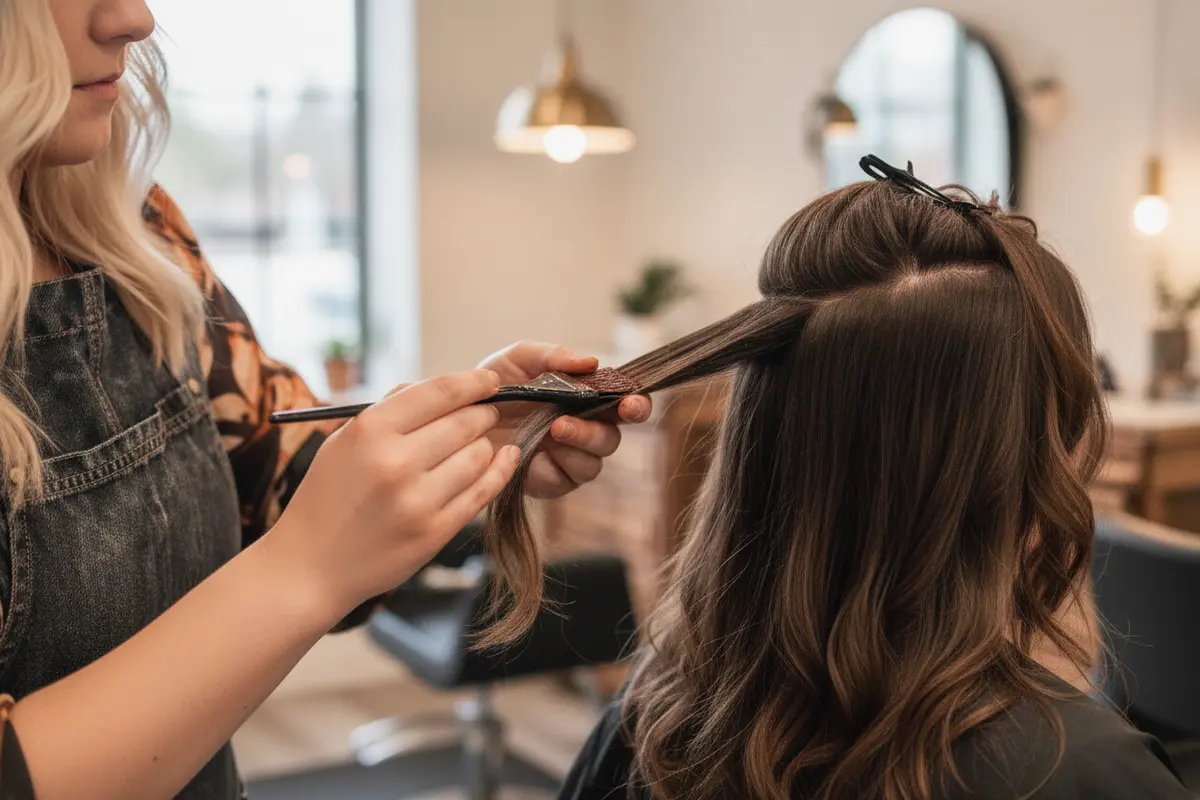
How is adding color different from lightening?
Adding pigment and making hair lighter are different objectives. A deposit-focused service may deepen or refine tone. Lightening is needed when your goal is a shade lighter than your current base. A toner can adjust tone after hair has been lightened, but it does not replace the lightening step needed to reach a lighter level.
Think about the difference through two examples. If your brown shade has faded and you want it to look richer, ask whether a tone-refreshing service or all-over color fits your goal. If your hair is dark and you want a much lighter blonde, say that directly and ask about a lightening plan, realistic stages, and upkeep. A reference photo can help communicate the look, but it cannot show what is achievable without considering your hair history.
Your goal | What to discuss | Key distinction |
Refresh a faded shade | Toner or another tone-focused option | Refreshing tone does not automatically make hair lighter |
Add depth or change the overall shade | All-over color and your starting color | Ask whether the service is intended to deposit pigment |
Become lighter | Lightening service and possible stages | Toner alone is not a lightening service |
Blend or soften the root area | Whether root shadow suits your color plan | A root-focused service may not address the full length |
Address visible regrowth | Color retouch and how the lengths fit the plan | Root work and an all-over change are different goals |
Which Dolce color service might fit your goal?
Start with the result you want rather than selecting a technical label from a search result. Dolce Salon's color service information lists options including toner, root shadow, color retouch, and all-over color with a lightening service. These starting-price listings vary by stylist tier and may increase. Use the menu to understand the available service names, then confirm the service and current estimate for your hair when booking.
- To revive tone:
Ask whether toner or another tone-focused approach makes sense and what change it can create on your current shade.
- To soften the root area:
Ask what a root shadow would look like beside your existing color and how it would blend with the lengths.
- To address regrowth:
Explain how much regrowth you have and whether the rest of your hair also needs attention.
- To change the overall shade:
Ask whether all-over color can meet the goal without lightening, or whether a lightening service is needed.
A service name cannot account for your history or desired result on its own. Dolce describes a first visit as a conversation about goals, lifestyle, maintenance, and a customized formula. Review the new-client information to prepare for that conversation. You can also browse the hair gallery for examples that help you describe what you like. A photo is inspiration, not a promise of an identical outcome.
What should you ask before booking?
Use specific questions to turn a broad idea into a workable plan. They can help you understand the service before you commit to a name or expectation:
- What change is the service designed to make?
Ask whether it will add tone, deepen color, or lighten your hair. Invite the stylist to describe the expected result in plain language.
- How does my color history affect the plan?
Mention at-home color, previous salon color, highlights, and chemical services. If you do not remember product names, describe when and where the service happened as best you can.
- What is realistic in one visit?
If your goal involves a major shift or lightening, ask whether it may take multiple appointments and what an appropriate first step would be.
- How might the shade fade?
Ask what changes are typical for the proposed service and which home-care steps could help maintain the look you want.
- How much time should I reserve?
Timing depends on the service and your hair. Confirm the appointment length for the plan rather than estimating from a general service description.
- What is the current estimate?
Ask which service and stylist tier the estimate covers, what is included, and whether the plan may change after the stylist sees your hair. Dolce lists tiered starting prices that may increase, so confirm the current amount when booking.
It can also help to agree on words for tone. “Warm,” “cool,” “natural,” and “bright” can mean different things to different people. Bring one or two photos, then point out details you would not want. For example, you may like the depth in one picture but not the contrast at the roots. That distinction gives the stylist a more useful starting point than “make it look like this.”

How can you prepare for a color appointment?
Before the visit, write down your color history in chronological order: your natural shade, recent salon services, at-home color, highlights, and any treatments that could matter. Include approximate dates where possible. Do not leave out an older color step just because it has grown out or seems unrelated; your stylist can decide whether it affects the plan.
Choose reference images carefully. Similar lighting, hair length, and starting shade make comparisons more useful. Save a target image and, if helpful, a second image showing a result you want to avoid. Note what you like in each, such as overall depth, warmth, brightness, or the root transition. This makes the conversation more actionable than relying on a photo alone.
Think through your daily routine as well. How often do you wash your hair? How much styling do you usually do? Would you rather have a subtle change that grows out softly, or are you comfortable returning for more frequent upkeep? Your answers help the stylist discuss a plan that fits your life, not only the fresh-from-the-salon look.
If you are new to the salon, Dolce's professional hair color guide offers additional context for planning a color visit. You can use it to think through what you want to discuss, then bring your own questions and history to the appointment.
How do you turn a color idea into a clear request?
Try describing the starting point, the change you want, and what you want to avoid. For example: “My medium brown looks dull. I want more richness, but I do not want to go lighter or add strong red tones.” That gives the stylist several useful boundaries. The stylist can then explain whether a tone-focused option, all-over color, or another service best fits what you describe.
For a different example, you might say: “My hair is darker than the warm blonde in this picture. I like the brightness around the face, but I am not sure how much change is realistic.” This tells the stylist that the photo is a direction rather than a demand for an exact copy. Ask what the first appointment could accomplish, what steps may follow, and how each step could affect time and maintenance.
You can also state a practical limit: “I can return for upkeep every few months,” or “I would rather prioritize a softer grow-out.” The exact plan still depends on your hair and the stylist's assessment, but identifying your priorities helps narrow the options. Before confirming, summarize what you understand: the intended change, whether lightening is involved, the estimated time, and the price range or current estimate. If any part is unclear, ask before the service begins.
How do cost and maintenance fit into the decision?
There is no universal price for the phrase “deposit-only hair color.” The appointment is based on the actual service, your hair, and the stylist tier. Dolce's service menu lists starting prices for options such as toner, root shadow, and color retouch; these are not a guarantee of your final total because prices may increase. Check the current service menu and starting prices, then confirm the estimate for your plan when booking.
Ask how maintenance differs between a tone refresh, root work, and a more substantial color change. A subtle refresh may call for a different return plan than a visible shift in base color. Ask what home-care steps the stylist recommends, what changes are expected as the shade fades, and when to contact the salon if the result does not match the plan you discussed. Do not assume that one timeline applies to every head of hair.
For background on one common tone-adjusting service, read Dolce's guide to what hair toner does. Use it as general context, then ask how the idea applies to your hair and the specific service being considered.
If you have a scalp or hair-health concern beyond color planning, the American Academy of Dermatology is a source of general dermatology information. A salon color consultation can help discuss cosmetic goals, but it is not a substitute for medical advice.
What should you clarify about the plan?
Before the appointment is finalized, repeat the plan in your own words. For instance: “I want to refresh the warmth in my current brown, not make it lighter. Are we discussing a tone-focused service or all-over color?” This check can reveal a mismatch before the service begins.
Also clarify what happens if the stylist sees something different in person than expected. Your hair may have uneven fading, multiple color bands, or a starting shade that changes the options. Ask whether the recommended service, timing, or estimate would change, and make sure you understand the next step before work begins. A consultation-first approach aligns expectations; it does not promise a particular result before your hair is assessed.
Some clients find it useful to choose between priorities: minimize change, get closer to a specific reference shade, or reduce ongoing upkeep. Those goals may point toward different plans. If low maintenance matters most, say so even if your reference photo suggests a more dramatic look. The stylist can explain trade-offs and help you decide what matters most for this visit.
Frequently asked questions
Does deposit-only hair color lighten hair?
The phrase usually means adding pigment without lifting the base. If you want your hair lighter than it is now, ask about a lightening service and what stages may be appropriate.
Is toner the same as deposit-only color?
Not necessarily. Toner is commonly discussed as a way to refine or adjust tone, while deposit-only is a broader description of adding pigment without lift. Ask what the specific service is intended to do.
Can I choose a service just from its online name?
A service name is a useful starting point, but it cannot account for your hair history, condition, or desired change. Share your goal and have the stylist confirm the appropriate plan before the appointment.
How do I book with Dolce Salon?
Use Dolce's online booking page to begin planning and confirm service details, timing, and the current estimate.
The clearest starting point is an honest conversation about your desired shade, color history, and maintenance preferences. With those details, a stylist can help you choose a color plan that makes sense for your hair.
Comments